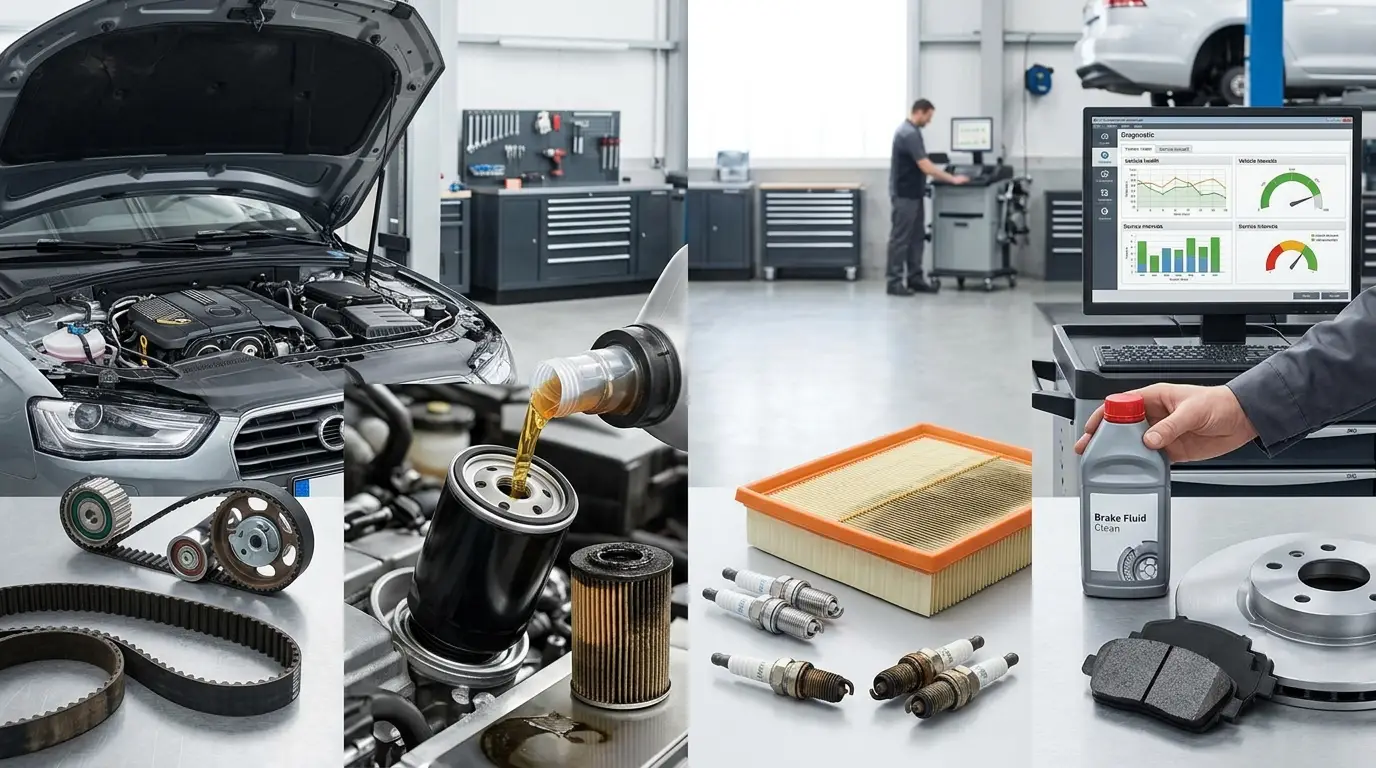
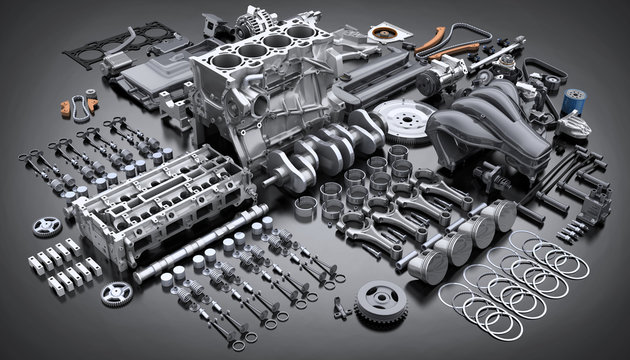
Your vehicle’s engine is the heart of its performance, and just like a human heart, it needs proper care. Ignoring early signs of engine trouble can turn a simple, affordable fix into a wallet-draining repair. By recognizing the top five signs your engine components need immediate attention, you can prevent costly breakdowns, extend your car’s life, and drive with confidence.
Car engines are made of multiple interconnected components, and when one part starts to fail, others soon follow. That’s why spotting issues early is key. Let’s dive into the top five warning signals that every driver should know.
An engine in good health runs smoothly and quietly. If you start hearing unusual sounds, it’s often your car’s way of telling you something’s wrong.
Strange noises often mean metal parts are rubbing or colliding in ways they shouldn’t. Left unchecked, this can lead to engine failure. A small repair today could save you thousands tomorrow.
Your car’s exhaust is another major indicator of engine health. Changes in smoke color usually point to serious problems.
Ignoring exhaust smoke is dangerous because it could mean your engine is close to permanent damage.
Modern cars are smart. They’ll often tell you something’s wrong before you feel or hear it.
The check engine light is one of the most common warnings. While it can mean something minor like a loose gas cap, it can also indicate serious problems like misfires, oxygen sensor failure, or catalytic converter damage.
Never ignore these lights. They’re designed to save your engine from catastrophic damage.
If your car isn’t performing like it used to, don’t shrug it off.
Sluggish acceleration may indicate clogged fuel injectors, dirty air filters, or failing spark plugs.
If your car shakes or stalls while idling, it could be a sign of ignition problems, vacuum leaks, or faulty sensors.
A drop in performance doesn’t just reduce driving comfort - it also puts strain on other engine parts.
Engines should be sealed systems. If you notice leaks or strange smells, that’s a red flag.
Catching leaks early keeps your car safe and your repair bills lower.
A: Most vehicles benefit from service every 5,000–7,500 miles, depending on the manufacturers guidelines.
A: Its risky. Some issues may be minor, but others can cause severe damage if ignored. Have it checked as soon as possible.
A: This usually means oil is leaking onto hot engine parts. It should be fixed immediately to avoid fire hazards.
A: Fixing a small leak might cost under $200, while replacing a full engine can exceed $5,000.
A: No. Even small leaks can turn into major problems. Always investigate fluid spots.
A: You can find helpful resources on trusted sites like AAA Car Care.