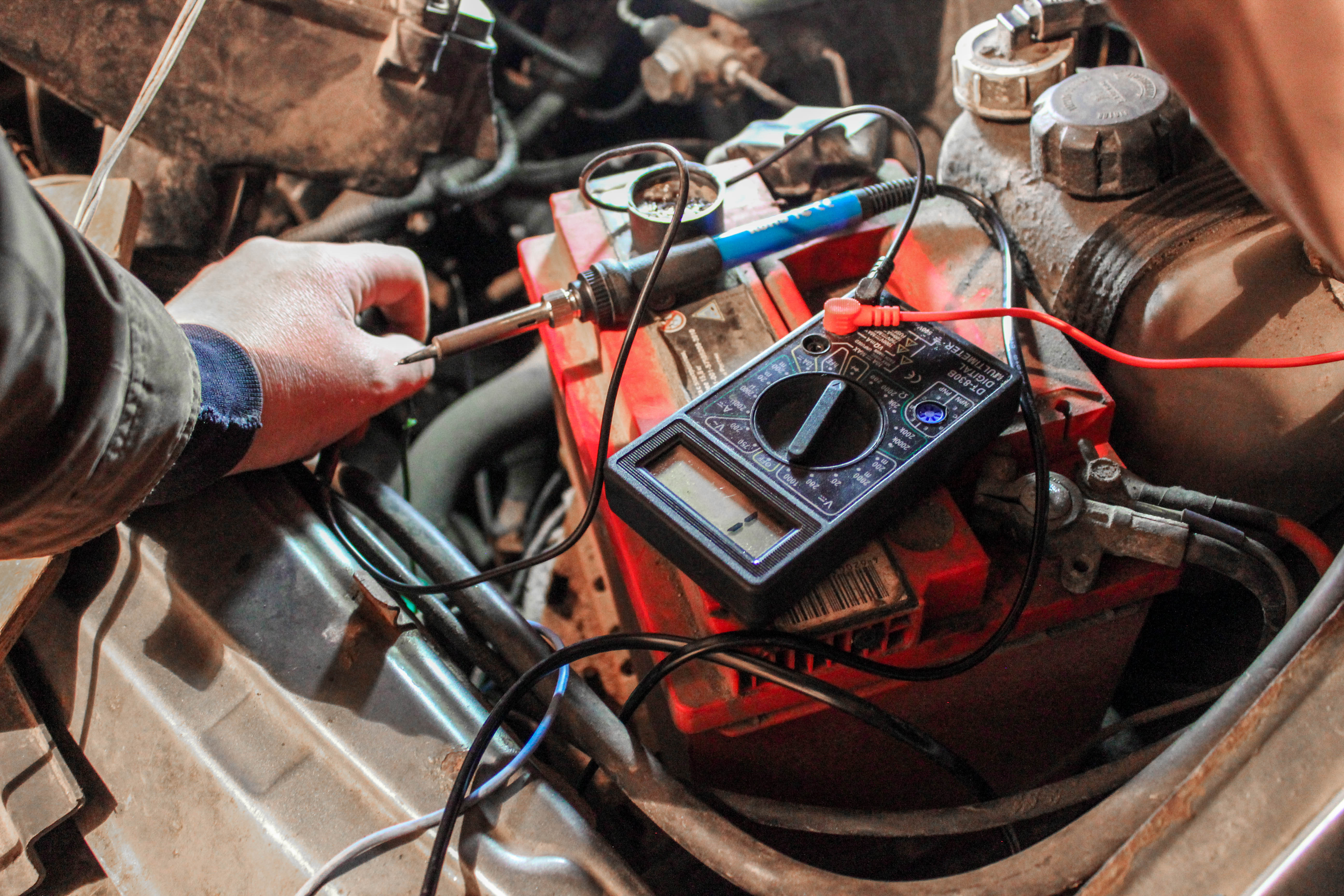
Modern vehicles rely on a complex and efficient electrical system that powers nearly every function, from starting the engine to illuminating your headlights and operating high-tech ECUs. Gone are the days when a car’s electrical setup was limited to basic lighting and ignition. Today, it’s the backbone of the entire vehicle - responsible for performance, comfort, safety, and connectivity.
Understanding how your car’s electrical system works is essential for proper maintenance and diagnosing potential problems. Let’s take a deep dive into how this intricate system powers everything, what its main components are, and how to keep it in top condition.
Your car’s electrical system is its nervous system - transmitting power and signals to every vital component. It ensures that systems like the headlights, infotainment, air conditioning, ignition, and engine control units (ECUs) function seamlessly.
In simple terms, the electrical system converts stored chemical energy in the battery into electrical energy, distributing it across various circuits through controlled wiring and fuses. Without it, your car wouldn’t start, your lights wouldn’t work, and your electronics would remain lifeless.
The electrical system in a car has three primary functions:
A) Starting the engine.
B) Powering electrical accessories.
C) Charging and storing energy for continuous operation.
Let’s now look at the major components that make this system work.
The battery is the foundation of your car’s electrical system. It stores electricity and provides the initial burst of power required to start the engine. Once the car is running, the alternator takes over, but the battery remains vital for powering systems when the engine is off or during high demand.
How It Works:
The battery supplies 12 volts of electrical energy to the starter motor, ignition system, and other components. It works on electrochemical reactions, converting chemical energy into electrical energy.
Common Problems:
A weak or corroded battery can lead to dim headlights, slow cranking, or complete electrical failure. Regularly check terminals for corrosion and test voltage using a multimeter.
Maintenance Tip:
Clean terminals periodically and ensure the battery is securely mounted. Replace the battery every 3–5 years or as soon as voltage drops below 12 volts.
Once the car engine starts, the alternator takes over as the car’s main power source. It generates electricity to recharge the battery and run electrical components while the engine is operating.
How It Works:
The alternator converts mechanical energy from the engine into electrical energy using electromagnetic induction. It maintains a steady current flow, ensuring that power-hungry systems like headlights, infotainment, and air conditioning operate efficiently.
Common Problems:
If your alternator fails, your battery will drain quickly, and electrical systems will shut down. Warning signs include flickering lights, a dead battery, or dashboard warning lights.
Maintenance Tip:
Inspect the alternator belt regularly. A squealing sound may indicate a worn or loose belt. Keep the alternator clean and ensure the voltage regulator is functioning properly.
The starter motor plays a brief but crucial role. It uses power from the battery to crank the engine and start combustion.
How It Works:
When you turn the ignition key or press the start button, the starter motor receives current from the battery. This engages the flywheel, turning the engine’s crankshaft to initiate combustion. Once the engine runs, the starter disengages automatically.
Common Problems:
A faulty starter motor or solenoid can cause clicking sounds or prevent the engine from starting entirely.
Maintenance Tip:
If your car won’t start despite a fully charged battery, check the starter motor’s connections or have it inspected for wear and tear.
Fuses and relays act as safety devices within the electrical network. They protect sensitive components from voltage surges and short circuits.
How They Work:
A fuse contains a thin metal strip that melts when electrical current exceeds a safe level, breaking the circuit to prevent damage. Relays, on the other hand, act as electrically operated switches, controlling high-power devices like headlights or cooling fans using low-current signals.
Common Problems:
A blown fuse can cause systems like headlights, AC, or wipers to stop working suddenly. Relays can also fail due to corrosion or overheating.
Maintenance Tip:
Check the fuse box periodically. Replace blown fuses with ones of the same amperage to prevent further electrical issues.
Think of the wiring harness as the veins of your car’s electrical system. It carries electrical power and signals between components like sensors, lights, and control units.
How It Works:
Wires, connectors, and terminals link all major components in a carefully organized network. Insulation prevents short circuits, while harness clips and sleeves protect against vibration and heat.
Common Problems:
Loose connections, corrosion, or damaged insulation can cause electrical failures, flickering lights, or malfunctioning electronics.
Maintenance Tip:
Regularly inspect visible wiring for cracks or frays. Avoid DIY splicing unless you’re trained; improper wiring can cause severe electrical damage.
Modern cars rely on ECUs (Electronic Control Units) for everything from fuel management to stability control. A single vehicle may have over 50 ECUs managing systems like braking, air conditioning, and even window controls.
How It Works:
The ECU receives input signals from sensors, processes data, and adjusts systems for optimal performance. For example, the engine control module (ECM) manages air-fuel mixture, ignition timing, and emissions.
Common Problems:
A malfunctioning ECU can cause poor performance, stalling, or even prevent the car from starting.
Maintenance Tip:
Keep the electrical system clean and dry. Faulty wiring or voltage spikes can damage ECUs. Avoid jump-starting improperly as it may fry sensitive circuits.
Your car’s lighting system includes headlights, taillights , indicators, and interior lights - all powered by the electrical system. In modern vehicles, these lights use LED or HID technology, which is more energy-efficient and longer-lasting than halogen bulbs.
Accessory systems, such as power windows, heated seats, and infotainment units, also depend on steady voltage supply and proper grounding.
Common Problems:
Dim or flickering lights, slow power windows, or erratic infotainment can indicate voltage drops or grounding issues.
Maintenance Tip:
Ensure all lights are functioning before driving at night. Replace worn bulbs promptly and check your grounding connections regularly.
A ground connection completes the circuit by providing a return path for current. Without proper grounding, electrical systems can malfunction or fail completely.
Voltage regulators, often integrated into the alternator, maintain a consistent 13.5–14.5 volts throughout the system, preventing battery overcharging and component damage.
Maintenance Tip:
Clean grounding points periodically, especially in older cars. Poor grounding can lead to electrical noise or sensor miscommunication.
When you turn the ignition key, the battery sends current to the starter motor, cranking the engine. Once the engine is running, the alternator takes over, generating power and recharging the battery. The ECU monitors all systems, ensuring precise timing, fuel injection, and emissions control.
Meanwhile, wiring harnesses and relays distribute power to accessories like headlights, infotainment, and safety sensors. Fuses protect every circuit from overloads. This continuous loop of energy generation, regulation, and consumption ensures that every part of your car operates smoothly and efficiently.
To keep your vehicle’s electrical system in top shape:
1) Perform regular battery checks.
2) Keep terminals and connections clean.
3) Replace old fuses and bulbs promptly.
4) Inspect wiring harnesses for corrosion or wear.
5) Schedule periodic alternator and ECU diagnostics.
A well-maintained electrical system means fewer surprises and ensures your car runs efficiently and safely.
The main components include the battery, alternator, starter motor, ECU, wiring harness, fuses, and relays.
This usually indicates alternator or voltage regulator problems. Have the charging system tested to ensure consistent voltage output.
Inspect your battery every 6 months and replace it every 3–5 years depending on performance and weather conditions.
Repeated blown fuses suggest a short circuit, faulty wiring, or a device drawing too much current. Have a mechanic inspect the circuit.
Yes, but always follow the correct jump-starting procedure to avoid damaging sensitive electronic components like the ECU.
The electrical system is truly the lifeblood of modern automobiles. From powering headlights to managing advanced ECUs, every drive depends on the seamless operation of this complex network. By understanding and maintaining it properly, you ensure your car remains reliable, efficient, and ready for every journey.