A car’s interior is more than just a comfortable space - it’s a carefully designed environment that combines technology, safety, and aesthetics. While the exterior protects the vehicle and gives it shape, the interior is where drivers and passengers interact with the car every day. From the dashboard to the pedals, every interior part plays an essential role in ensuring safety, convenience, and an enjoyable driving experience.
If you’re a beginner, understanding the names and functions of your car’s interior parts can help you identify issues early and maintain your vehicle more effectively. This guide explores the major interior car parts, their purposes, and the common problems you may encounter with each.
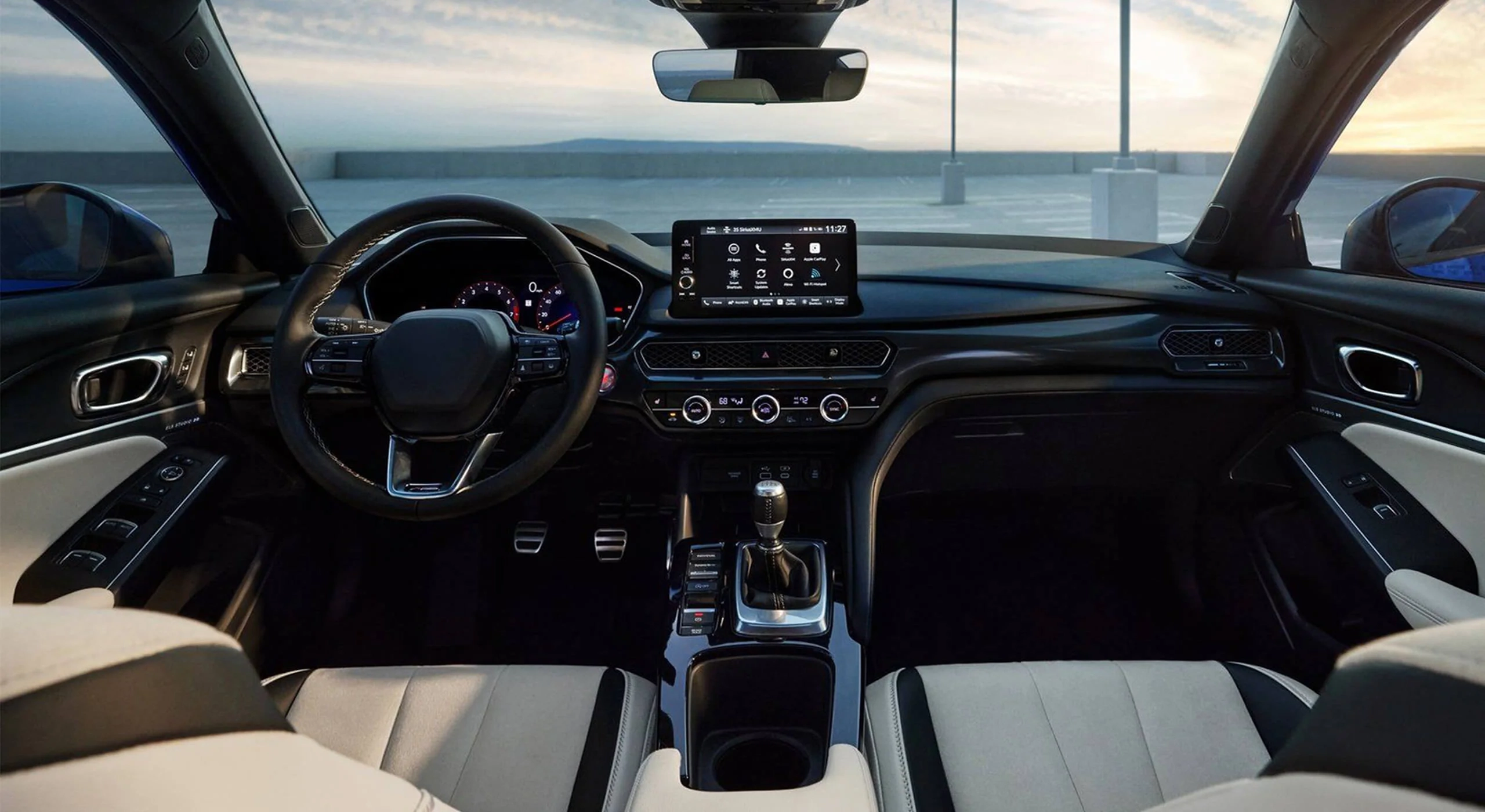
The dashboard or instrument panel is one of the most recognizable parts of any vehicle. It is located directly in front of the driver and displays vital information such as speed, fuel level, engine temperature, and warning lights.
Function: The dashboard serves as the command center of the car. It houses gauges, meters, and electronic displays that provide the driver with important vehicle data. Modern dashboards also include infotainment systems, air vents, and climate control units.
Common Issues:
A. Fading or cracking due to sun exposure.
B. Malfunctioning sensors or lights.
C. Broken display screens in digital dashboards.
Maintenance Tip: Use a UV-protectant dashboard cleaner and park your car in the shade or use a sunshade to prevent cracking.
The steering wheel allows the driver to control the direction of the car. Modern steering wheels also feature integrated controls for audio, cruise control, and even phone connectivity.
Function: By rotating the steering wheel, the driver changes the direction of the front wheels. Power steering systems make this process smooth and effortless.
Common Issues:
A. Loose steering or vibrations.
B. Malfunctioning steering wheel buttons.
C. Power steering fluid leaks causing stiffness.
Maintenance Tip: Check power steering fluid levels regularly, and if the steering feels heavy, have it inspected immediately.
The center console lies between the driver and front passenger seats. It houses various controls and storage compartments.
Function: It typically includes gear shifters, cup holders, armrests, and sometimes touchscreens or control knobs for infotainment systems. In automatic cars, the gear selector is a key part of the console.
Common Issues:
A. Broken latches or hinges on storage compartments.
B. Sticky gear shifters.
C. Malfunctioning buttons or controls.
Maintenance Tip: Keep the area clean and avoid spilling drinks near electronic buttons or ports.
Seats and seat belts play a crucial role in comfort and safety. Most vehicles have adjustable front seats and foldable rear seats to maximize cargo space.
Function: Seats are designed to provide ergonomic support, while seat belts protect passengers during sudden stops or collisions. Advanced cars come with power-adjustable, heated, and ventilated seats.
Common Issues:
A. Torn upholstery or broken seat adjustments.
B. Malfunctioning seat belt retractors or buckles.
C. Faulty seat sensors (common in cars with airbag systems).
Maintenance Tip: Regularly clean seat fabrics or leather with appropriate cleaners, and check the seat belt mechanism for smooth operation.
Pedals are essential for controlling speed and stopping the vehicle. Manual transmission cars have three pedals - clutch, brake, and accelerator - while automatics have only two.
Function:
A. The accelerator pedal increases engine power.
B. The brake pedal activates the braking system.
C. The clutch pedal (manual cars) disconnects the car engine from the transmission for smooth gear shifting.
Common Issues:
A. Sticky accelerator pedal.
B. Soft or spongy brake pedal (due to air in the brake line).
C. Worn-out clutch pedal or slipping clutch.
Maintenance Tip: If pedals feel different than usual - too hard, soft, or delayed - get them checked immediately. These can be early signs of critical issues.
The gear shift lever (or gear stick) allows you to change gears in both manual and automatic cars.
Function: In a manual car, it works in coordination with the clutch. In an automatic car, it switches between drive, park, reverse, and neutral modes.
Common Issues:
A. Stiff or jammed gear lever.
B. Misalignment or gear slippage.
C. Transmission warning lights indicating issues.
Maintenance Tip: Ensure smooth gear transitions and avoid forcing the lever. Regular transmission servicing can prevent many gear-related issues.
The infotainment system combines entertainment and vehicle control features in one interface. It may include a touchscreen, navigation, Bluetooth, and voice control.
Function: It enhances driving experience by providing music, navigation, and connectivity with smartphones. Advanced systems integrate with Android Auto or Apple CarPlay.
Common Issues:
A. Frozen or unresponsive screen.
B. Connectivity issues with Bluetooth or Wi-Fi.
C. Outdated software causing lags.
Maintenance Tip: Update the software regularly and avoid using incompatible USB devices.
The air conditioning (AC) and climate control system regulate the temperature inside the cabin.
Function: They provide comfort by controlling airflow, humidity, and temperature. Dual-zone climate systems allow different settings for driver and passenger.
Common Issues:
A. Weak cooling or heating.
B. Bad odors from AC vents.
C. Faulty blower motor or refrigerant leaks.
Maintenance Tip: Replace cabin air filters every 12,000–15,000 miles and service the AC annually to prevent mold buildup.
The glove compartment is a small storage box on the passenger side dashboard.
Function: It stores documents like insurance papers, manuals, and small tools. Some modern glove boxes are temperature-controlled for keeping drinks cool.
Common Issues:
A. Broken locks or hinges.
B. Loose fittings causing rattling noises.
Maintenance Tip: Avoid overstuffing it, and lubricate the latch if it becomes hard to open.
Interior lights illuminate the cabin for visibility during low-light conditions.
Function: They include dome lights, reading lamps, dashboard illumination, and ambient lighting for luxury models.
Common Issues:
A. Burnt-out bulbs.
B. Faulty wiring or blown fuses.
C. Dim lights due to battery drain.
Maintenance Tip: Replace bulbs promptly, and avoid leaving lights on when the engine is off.
Mirrors play a huge role in interior visibility and safety.
Function: The rearview mirror provides visibility of vehicles behind, while side mirrors help in lane changes and parking. Some mirrors include auto-dimming and integrated cameras.
Common Issues:
A. Loose mirror assembly.
B. Malfunctioning dimming feature.
C. Scratched or cracked glass.
Maintenance Tip: Clean mirrors regularly with non-abrasive glass cleaner for a clear view.
Car floor mats and carpets protect the interior flooring from dirt, moisture, and wear.
Function: They add comfort, insulation, and protection from corrosion caused by water or debris.
Common Issues:
A. Stains, mold, or wear in high-use areas.
B. Slipping mats that interfere with pedals.
Maintenance Tip: Clean mats weekly and ensure they are secured with clips to avoid accidents.
The headliner is the fabric or foam material covering the ceiling, while interior trims include decorative panels around doors, pillars, and dashboards.
Function: They enhance the car’s aesthetics, reduce noise, and provide insulation.
Common Issues:
A. Sagging headliners due to heat.
B. Peeling or faded trim panels.
Maintenance Tip: Avoid moisture buildup and use interior protectants to prevent discoloration.
1. Rattling noises: Often caused by loose interior panels or fittings.
2. Electrical malfunctions: Check fuse boxes or wiring if switches or lights stop working.
3. Odor problems: Clean air vents and replace filters regularly.
4. Worn-out upholstery: Use seat covers to prevent further wear.
5. Dashboard warning lights: Always investigate and repair underlying causes.
The key parts include the dashboard, steering wheel, seats, pedals, gear lever, console, and infotainment system.
It may be due to a blown fuse, faulty wiring, or a burnt-out bulb. Check the fuse box first before replacement.
Tighten bolts under the seat and apply lubricant to moving parts. For leather seats, use conditioner to prevent friction.
If you have experience with car electronics, you can. Otherwise, its safer to get professional installation to avoid wiring errors.
Clean carpets, replace the cabin filter, and use an ozone or charcoal-based deodorizer for long-lasting freshness.
Your cars interior is where comfort meets control. By understanding the key parts and how they function, you can identify issues early, ensure safety, and keep your vehicle in top condition. A well-maintained interior not only makes your car look new but also enhances your driving experience for years to come.