Modern vehicles are designed not only for style and performance but also with safety as a top priority. The exterior body panels of a car do far more than just provide an aesthetic appeal - they serve as protective barriers, absorb impact forces, and play a vital role in safeguarding occupants during collisions. Understanding the different types of exterior body panels and how they contribute to safety can help you appreciate the engineering that goes into every modern car.
From the hood to the fenders, each component has a unique function and contributes to both vehicle aerodynamics and crashworthiness. Let’s explore the various types of exterior body panels, their materials, and their importance in ensuring vehicle safety.
Exterior body panels form the outer shell of a vehicle, covering the internal mechanical and structural components. They act as the first line of defense against environmental elements, debris, and, most importantly, impacts during accidents.
In the event of a crash, these panels are designed to absorb and redirect energy, reducing the force transmitted to passengers. The use of advanced materials such as high-strength steel, aluminum, and composites enhances durability while minimizing weight for better fuel efficiency.
The primary goals of body panels are:
1) Protecting the vehicle’s frame and occupants.
2) Enhancing aerodynamics for better fuel economy.
3) Reducing noise and vibration.
4) Providing an aesthetic and aerodynamic design.
The hood covers the engine bay and serves as a shield for the engine and other essential front-end components. It also plays a role in pedestrian safety and vehicle aerodynamics.
Safety Role:
In modern cars, hoods are designed to crumple in a controlled way during frontal impacts, absorbing kinetic energy and minimizing the effect on the cabin. Many vehicles now feature pedestrian protection systems, where the hood lifts slightly during an impact to reduce the force on a pedestrian.
Material Used:
Hoods are typically made of aluminum, steel, or composite materials for a balance between strength and lightness.
Maintenance Tip:
Check the hood latch mechanism regularly to ensure it closes securely and opens easily in emergencies.
Fenders are the curved panels surrounding each wheel well. Their primary function is to prevent mud, rocks, and road debris from being thrown up by the tires.
Safety Role:
In addition to keeping debris off the road and body, fenders help maintain aerodynamic stability. During minor collisions, they absorb small impacts to protect the vehicle frame. In high-speed accidents, properly designed fenders can deflect impact forces away from the passenger cabin.
Material Used:
Most modern fenders are made of lightweight materials such as aluminum, fiberglass, or thermoplastic composites, offering corrosion resistance and easy repair ability.
Maintenance Tip:
Inspect fenders regularly for rust or cracks, especially if you drive in areas with salted roads or gravel.
The doors are among the most critical exterior panels, offering both accessibility and protection. Each door includes reinforcements, crash beams, and side-impact bars to enhance safety.
Safety Role:
Doors are engineered with side-impact beams and energy-absorbing padding to protect occupants from lateral collisions. In modern cars, side airbags are integrated into doors to provide additional cushioning during a crash.
Material Used:
High-strength steel and aluminum are used to ensure rigidity without adding too much weight. Some luxury vehicles use reinforced carbon fiber for extra protection.
Maintenance Tip:
Ensure door seals remain intact to prevent noise, water leaks, and corrosion. Regularly lubricate hinges and latches.
Bumpers are the first point of contact during a collision. They are designed not just for appearance but also to absorb shock and minimize damage to the car’s frame and passengers.
Safety Role:
Modern bumpers use a combination of plastic fascia, energy-absorbing foam, and reinforcement bars. These layers help absorb low-speed impact energy and reduce repair costs. In high-speed collisions, bumpers work in tandem with crumple zones to distribute impact forces safely.
Material Used:
Plastic composites with aluminum or steel reinforcements are most common.
Maintenance Tip:
Keep bumpers clean and ensure that all sensors (like parking or collision sensors) are free of dirt for accurate performance.
The roof panel provides structural rigidity to the vehicle and plays a key role in rollover protection.
Safety Role:
Modern vehicles are engineered with reinforced roof structures capable of withstanding several times the car’s weight. This ensures that in case of a rollover, the cabin remains intact and protects the passengers. Some vehicles include sunroofs or panoramic roofs, which incorporate tempered or laminated glass to resist shattering.
Material Used:
High-strength steel, aluminum, or carbon fiber composites enhance both strength and weight efficiency.
Maintenance Tip:
Check for rust, dents, or weak spots - especially around the roof rails or sunroof frames - to ensure integrity.
Quarter panels are the large panels located between the rear doors and the trunk. They give structure to the rear end and enhance aerodynamics.
Safety Role:
They are often part of the rear crumple zone, designed to deform progressively during rear-end impacts to absorb energy and protect passengers.
Material Used:
Steel and aluminum are common, but modern cars may use composite materials to improve fuel efficiency.
Maintenance Tip:
Since quarter panels are exposed to road grime and moisture, check for rust regularly, especially near the wheel arches.
The trunk lid or tailgate covers the cargo area and can also house important components like rear cameras, sensors, and lights.
Safety Role:
In rear-end collisions, the trunk area helps absorb impact energy. Some designs even include crumple zones behind the rear bumper for added safety. Power tailgates also include anti-pinch sensors to prevent accidental injury.
Material Used:
Steel and aluminum are typical, though SUVs often feature reinforced thermoplastic tailgates for weight reduction.
Maintenance Tip:
Keep hinges and struts lubricated, and ensure electronic lift systems are functioning properly.
Located beneath the doors, rocker panels connect the front and rear of the car, contributing to overall rigidity.
Safety Role:
They play a crucial part in maintaining structural integrity during side impacts and rollovers, supporting the car’s frame and distributing impact forces evenly.
Material Used:
Reinforced steel or aluminum to withstand stress.
Maintenance Tip:
Inspect rocker panels for corrosion, especially if your vehicle frequently encounters wet or salty roads.
Pillars are the vertical supports connecting the roof to the body. They are labeled A (front), B (middle), and C (rear).
Safety Role:
Pillars are essential for maintaining cabin strength during rollovers and side collisions. The A-pillars support the windshield, while B-pillars anchor seatbelts and side airbags.
Material Used:
Ultra-high-strength steel for maximum impact resistance.
Maintenance Tip:
Avoid modifications or drilling into pillars, as it can weaken their structure and compromise safety.
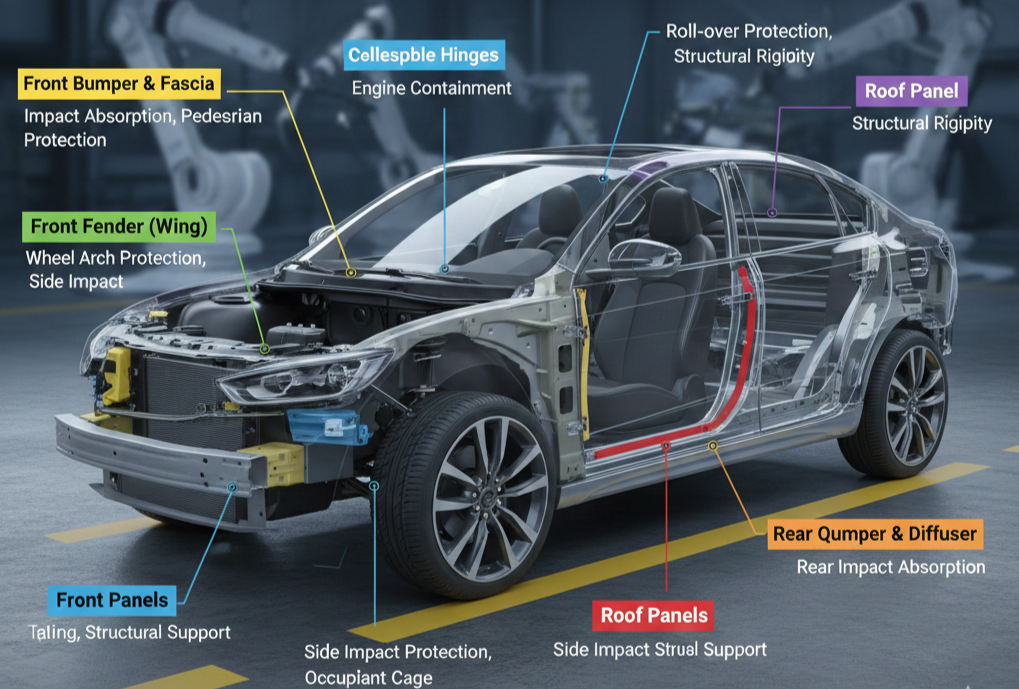
When a vehicle collides, the energy must be absorbed and redirected to prevent passenger injuries. Body panels, in combination with the frame, act as crumple zones - strategically designed areas that deform upon impact.
Crumple Zones:
These zones dissipate energy by bending in a controlled way. The goal is to protect the cabin, where rigidity is maintained for occupant safety.
Pedestrian Safety:
Modern vehicles integrate flexible panels and sensors to reduce injury to pedestrians. The hood and bumper areas often feature energy-absorbing structures.
Material Innovation:
New materials like boron steel, aluminum alloys, and carbon fiber composites offer superior strength-to-weight ratios, improving both safety and efficiency.
Proper maintenance ensures your panels continue to protect you effectively:
A) Wash your car regularly to prevent rust.
B) Apply wax or protective coatings to preserve paint and metal.
C) Repair dents promptly to prevent cracks or corrosion.
D) Inspect seals and weather stripping for leaks or wear.
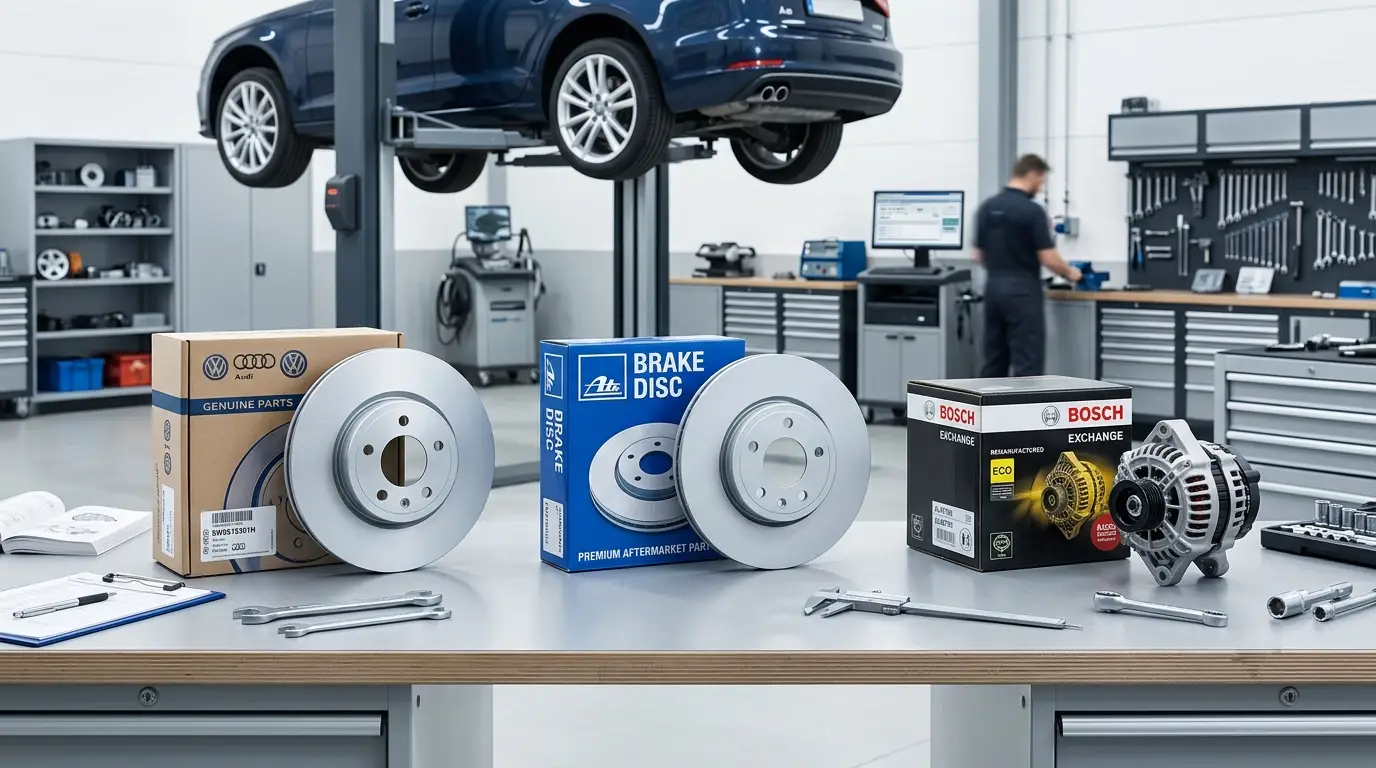
Use genuine parts when replacing panels to maintain structural integrity.
The main panels include the hood, fenders, doors, roof, quarter panels, bumpers, trunk lid, and rocker panels.
They form crumple zones that absorb and dissipate crash energy, preventing it from reaching passengers.
Yes. Aluminum panels can absorb impact effectively while being lighter, improving fuel economy without compromising safety.
Yes. Sensors located behind panels rely on accurate deformation patterns. Damaged panels may delay airbag deployment.
Minor dents can be repaired, but severely deformed panels should be replaced to maintain the car’s structural integrity.