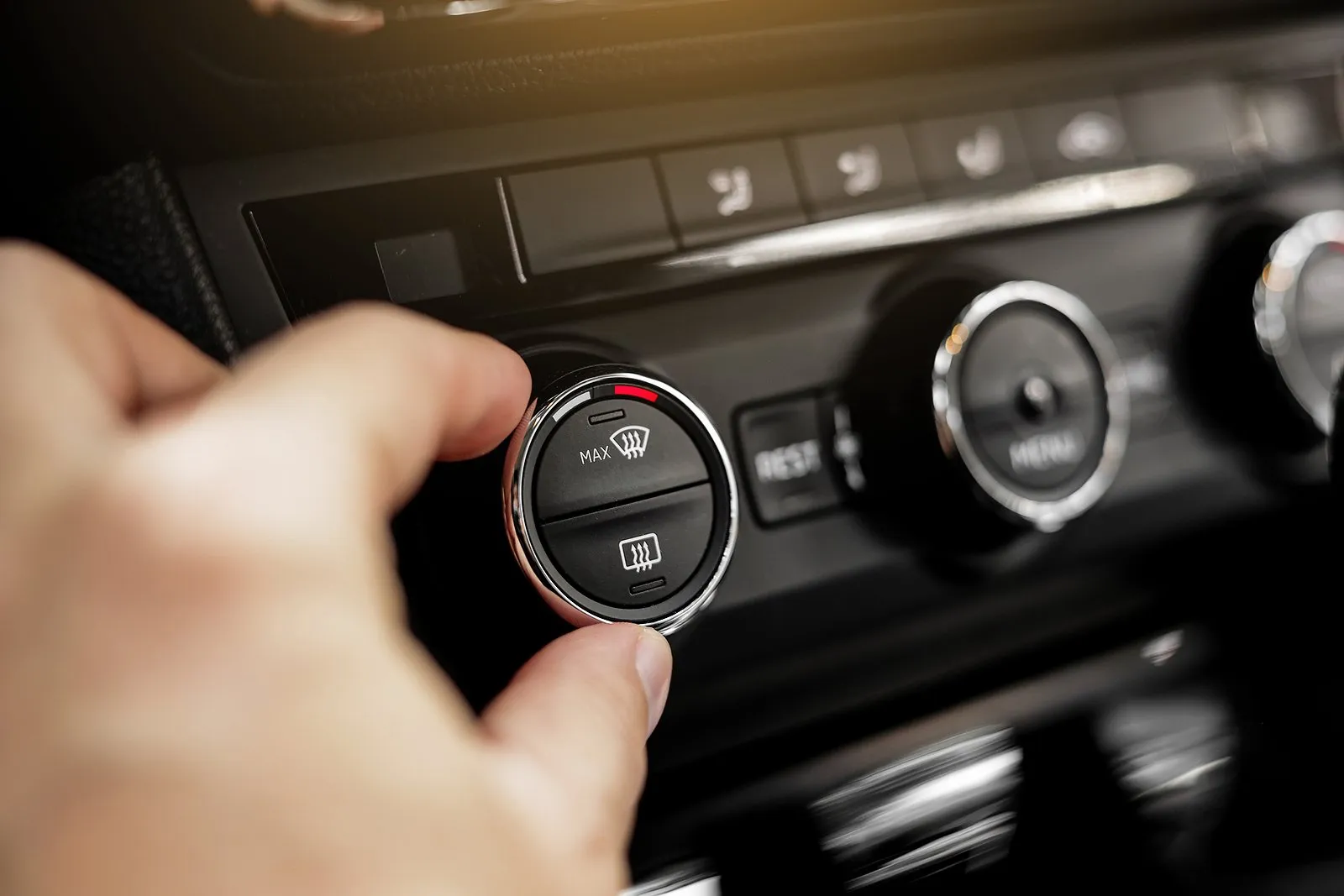
When you step into your car on a sweltering summer day or a freezing winter morning, the climate control system is the technology that keeps you comfortable. It automatically manages the temperature, airflow, and humidity inside your vehicle, transforming harsh outdoor conditions into a pleasant driving environment.
But have you ever wondered how car climate control systems actually work? Modern vehicles use sophisticated sensors, actuators, and electronic modules to regulate the cabin’s temperature and air quality with remarkable precision. What was once a simple air conditioner has evolved into a smart, automated climate system that enhances both comfort and safety.
Let’s explore how these systems function, their components, and why they’re an essential part of your vehicle’s overall performance.
A climate control system in a car is a network of mechanical and electronic components designed to regulate the interior environment. Its main goal is to maintain a consistent temperature, airflow, and humidity level - regardless of external conditions.
Older cars used manual air conditioning (AC) systems that required drivers to adjust the temperature, fan speed, and airflow manually. In contrast, modern vehicles feature automatic climate control systems, which use sensors and microprocessors to maintain your desired cabin temperature automatically.
There are typically two main types:
1. Manual AC System – The driver adjusts temperature and airflow manually.
2. Automatic Climate Control (ACC) – The system detects temperature changes and adjusts itself to maintain a preset level.
Some premium models even offer dual-zone or tri-zone climate control, allowing different passengers to set individual temperature preferences.
A modern climate control system works by managing several interconnected processes.
Here’s how it maintains the ideal cabin environment:
1. Temperature Detection: Sensors inside and outside the vehicle constantly measure temperature, sunlight intensity, and humidity. The control unit processes this data to determine how much heating or cooling is needed.
2. Air Conditioning Cycle: The system’s compressor circulates refrigerant through the AC loop, absorbing heat from the cabin and releasing it outside. This process cools the air before it’s blown into the cabin.
3. Heating Process: When heating is required, the system uses the engine’s coolant to warm the air. The heated coolant passes through a small radiator (heater core), and the fan blows warm air into the cabin.
4. Air Distribution: Actuators and flaps within the system control where air is directed - toward your face, feet, or windshield. The system can also adjust fan speed and air mix automatically.
5. Air Filtration and Humidity Control: Cabin air filters clean the air of dust, pollen, and pollutants. Some systems even control humidity to prevent fogging and maintain comfort.
Through these processes, the system can automatically adjust both temperature and air quality to provide the perfect balance between comfort and energy efficiency.
Understanding the components behind this system helps explain its complexity and importance.
The compressor is the heart of the air conditioning system. It pressurizes and circulates refrigerant through the system. Driven by the engine’s serpentine belt or an electric motor in hybrid/electric cars, it converts low-pressure gas into high-pressure gas, enabling the cooling cycle.
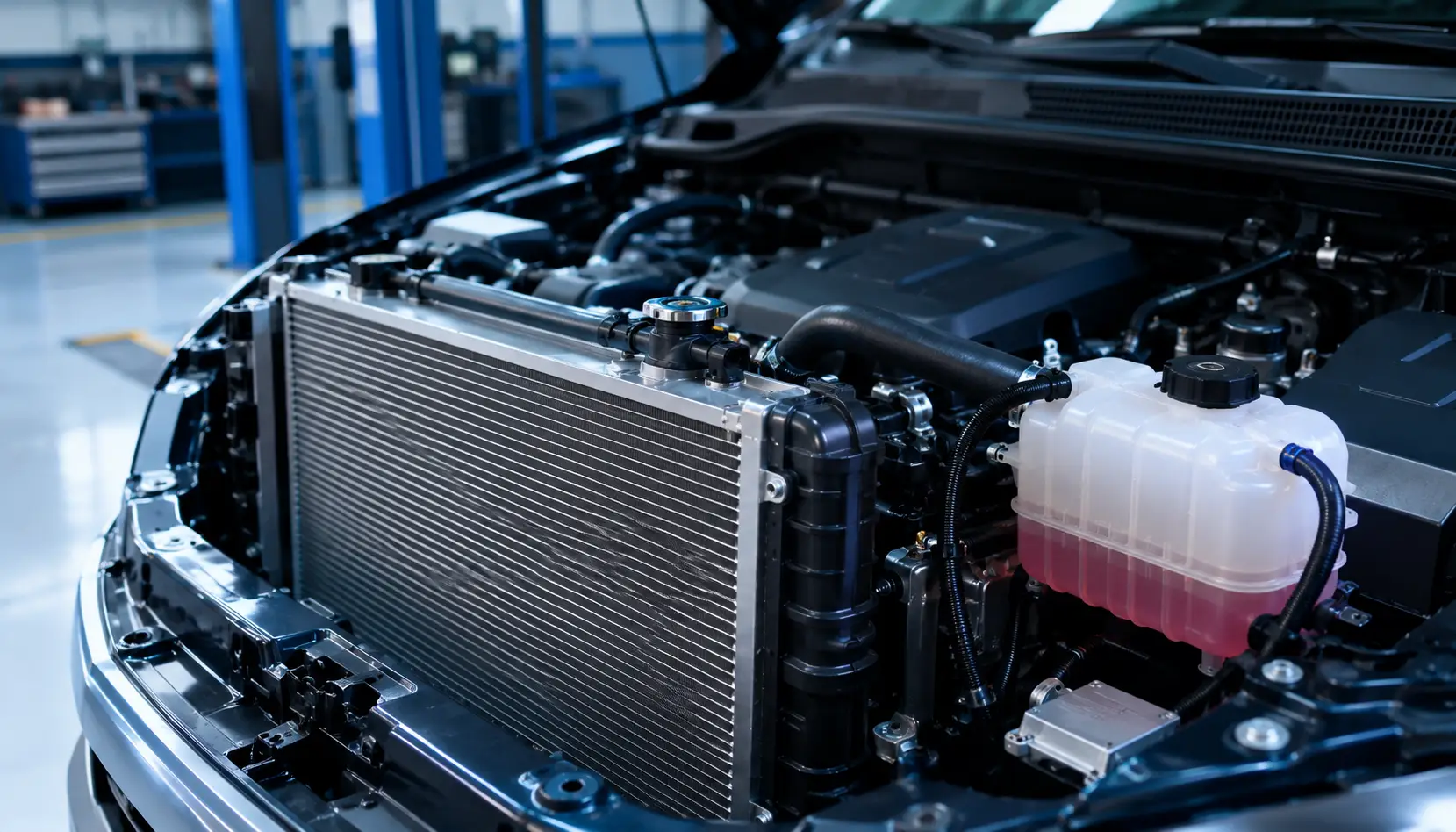
The condenser acts like a radiator, mounted in front of the vehicle. As refrigerant flows through, it releases heat to the outside air and condenses into a liquid form.
This component reduces the pressure of the liquid refrigerant before it enters the evaporator. The drop in pressure allows the refrigerant to evaporate easily and absorb heat efficiently.
Located inside the dashboard, the evaporator absorbs heat from the cabin air as the refrigerant evaporates. The fan blows air across the evaporator fins, cooling it before it enters the cabin.
When you need heat, the heater core - a small radiator connected to the engine’s cooling system - warms air by circulating hot coolant through it.
The blower motor pushes conditioned air (either cooled or heated) into the cabin. Its speed can be controlled manually or automatically, depending on the system.
Modern systems use a network of sensors:
1. Ambient temperature sensors detect external climate.
2. Cabin sensors monitor interior temperature.
3. Humidity sensors prevent fogging and improve comfort.
These feed information to the climate control module, which adjusts airflow, temperature, and fan speed.
This filter traps dust, pollen, and pollutants, ensuring that the air inside remains clean and fresh.
While manual systems rely on user input, automatic systems continuously adjust themselves for optimal comfort.
| Feature | Manual Climate Control | Automatic Climate Control |
| Temperature Adjustment | Driver adjusts manually | Automatically adjusted |
| Airflow Control | Manual | Automatic |
| Sensors Used | Minimal | Multiple (temperature, humidity, sunlight) |
| Comfort Level | Basic | High and consistent |
| Efficiency | Moderate | Energy optimized |
Automatic systems are now standard in most mid- to high-end vehicles because they enhance comfort, improve fuel efficiency, and reduce driver distraction.
Modern vehicles often come with dual-zone or multi-zone systems.
A. Dual-zone allows separate temperature settings for driver and front passenger.
B. Tri-zone adds control for rear passengers.
C. Quad-zone systems, seen in luxury vehicles, let each passenger customize their comfort level.
Each zone has independent sensors and actuators, ensuring personalized comfort across the cabin.
Comfort isn’t the only benefit. A well-functioning climate control system contributes to driving safety in several ways:
A. Defogging and Defrosting: Keeps windshields clear using warm, dry air.
B. Reduces Driver Fatigue: Maintaining optimal temperature helps drivers stay alert.
C. Enhances Visibility: Automatic humidity sensors prevent condensation on windows.
D. Improves Air Quality: Filters reduce allergens and pollutants that can affect concentration.
In short, your climate control system plays a key role in maintaining visibility, focus, and comfort while driving.
Over time, components wear out or malfunction.
Here are common problems drivers face:
1. Weak Airflow: Could be due to a clogged cabin filter or failing blower motor.
2. Warm Air When Cooling: May indicate low refrigerant or a faulty compressor.
3. Bad Smells: Often caused by mold in the evaporator or a dirty filter.
4. Inconsistent Temperatures: Could mean failing sensors or blend door actuators.
5. System Not Responding: Usually due to electrical faults or a broken control module.
Regular maintenance prevents most of these issues.
A. Replace cabin air filters every 12,000–15,000 miles.
B. Recharge the AC refrigerant when cooling weakens.
C. Clean the evaporator and vents to prevent odors.
D. Check for leaks in hoses or fittings regularly.
E. Run the AC periodically, even in winter, to keep seals lubricated.
Timely maintenance ensures your climate control system runs efficiently and extends its lifespan.
The future is smart, eco-friendly, and personalized. Modern vehicles - especially electric and hybrid models - are integrating energy-efficient heat pumps, AI-based climate management, and eco modes that optimize comfort while reducing energy use.
Features like seat-specific climate zones, ionized air purification, and voice-controlled temperature settings are becoming standard in premium vehicles. The evolution of these systems focuses not only on comfort but also on sustainability and health.
Most experts recommend checking your system every 12 months. Regular inspections help detect leaks, replace filters, and ensure refrigerant levels are optimal.
This could be due to low refrigerant, a failing compressor, or a blocked condenser. A professional diagnosis can identify the issue quickly.
While DIY kits exist, its safer to have it done by a certified technician. Overfilling refrigerant can damage your system.
Mold or mildew buildup in the evaporator or air ducts. Regular cleaning and replacing the cabin air filter can solve this problem.
EVs use electric compressors powered by the battery instead of belt-driven ones. This allows cooling and heating even when the motor is off.
Your cars climate control system does much more than keep you cool or warm - its an intricate network that balances temperature, airflow, and air purity for maximum comfort and safety. As technology advances, climate systems will continue to become smarter, cleaner, and more efficient, ensuring that every drive feels just right, no matter the weather outside.