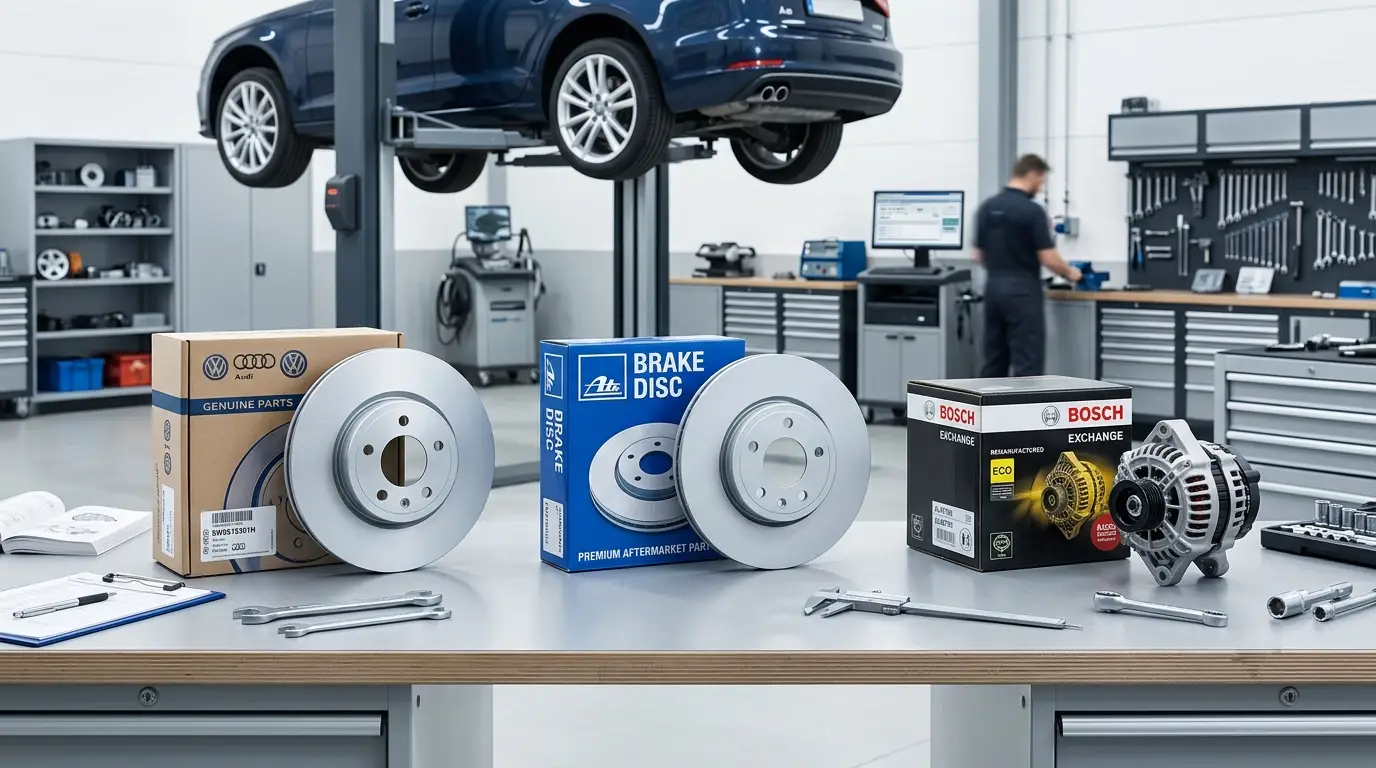
When your car crosses 100,000 miles, it’s a milestone worth celebrating. It shows your vehicle has served you well - through road trips, daily commutes, and countless adventures. However, hitting this milestone also means your car’s engine parts have gone through significant wear and tear. At this stage, regular maintenance and timely replacements become essential to keep your vehicle running smoothly and efficiently.
In this article, we’ll explore the most common engine parts replaced after 100,000 miles, what signs to look for, and how to ensure your engine stays in top shape for the long run.
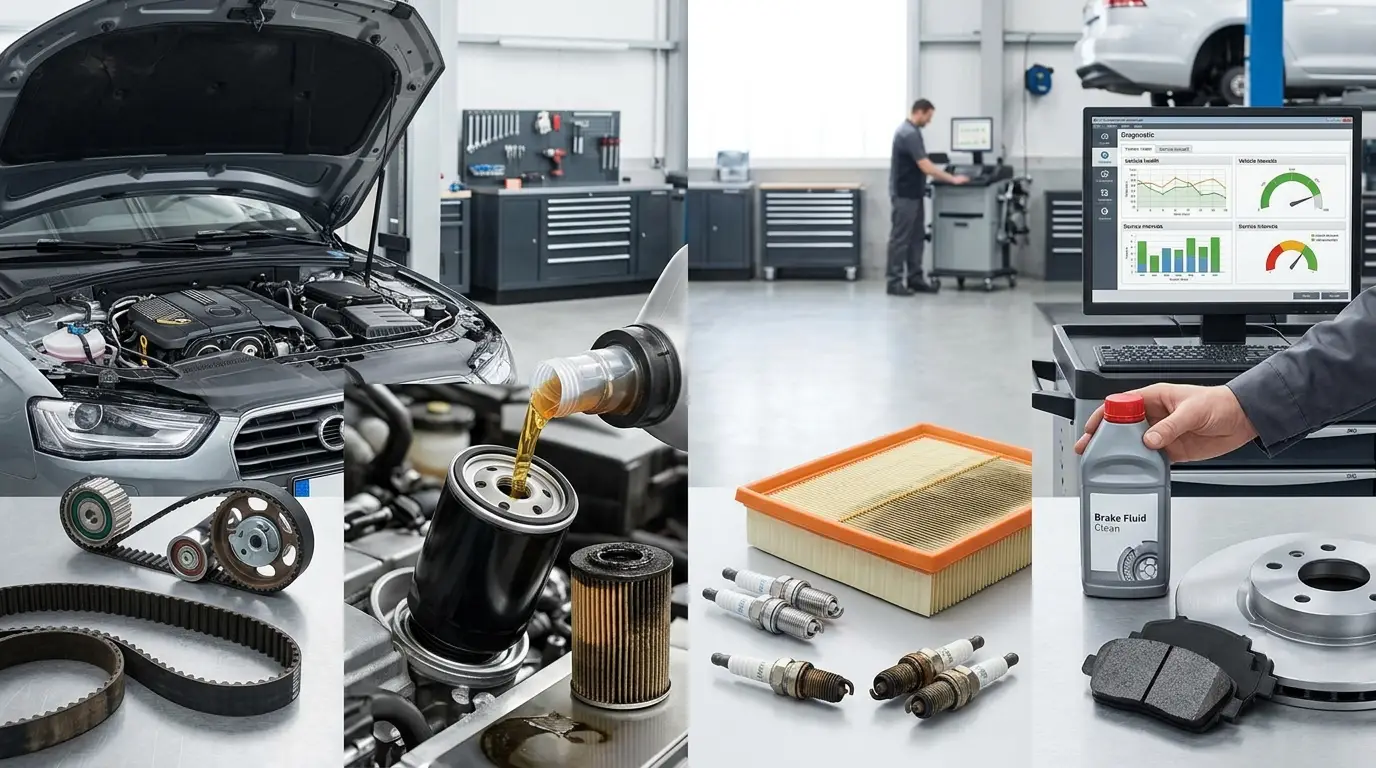
Spark plugs and ignition coils play a vital role in your engine’s combustion process. They ignite the air-fuel mixture to power your car. After 100,000 miles, spark plugs can get corroded or covered in carbon deposits, leading to misfires, rough idling, and decreased fuel efficiency.
Replacing spark plugs is usually an inexpensive fix that brings a noticeable improvement in performance. Ignition coils, on the other hand, can wear out over time and cause difficulty starting the engine or loss of power. Replacing them along with spark plugs ensures smooth ignition and optimal fuel economy.
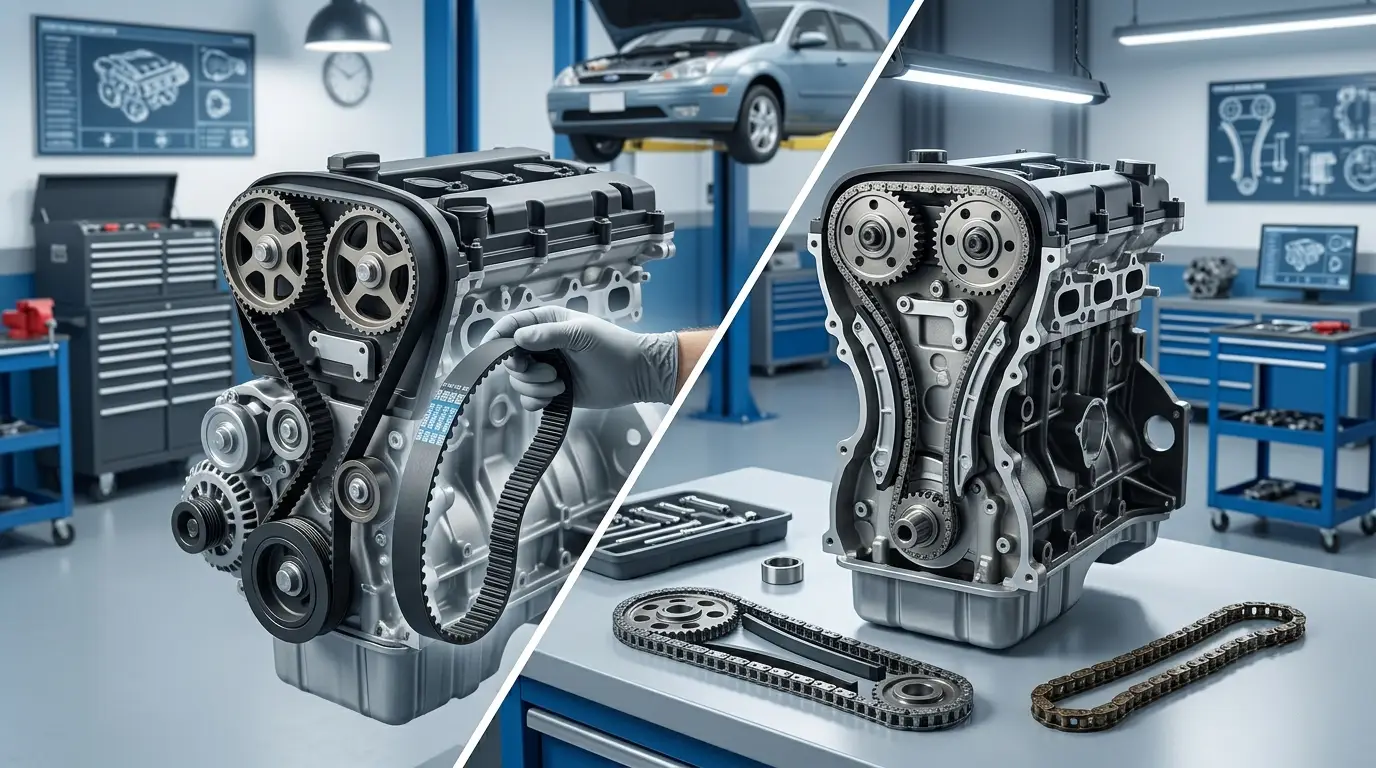
One of the most critical components in your engine, the timing belt or chain, synchronizes the movement between the camshaft and crankshaft. Over time, the rubber timing belt can stretch or crack, which may result in engine misfires or catastrophic engine damage if it breaks.
Most manufacturers recommend replacing the timing belt between 90,000 and 100,000 miles. If your car uses a timing chain, it’s more durable, but not indestructible. Regular oil changes can extend its lifespan, but after 100,000 miles, it’s wise to have it inspected for wear or slack.
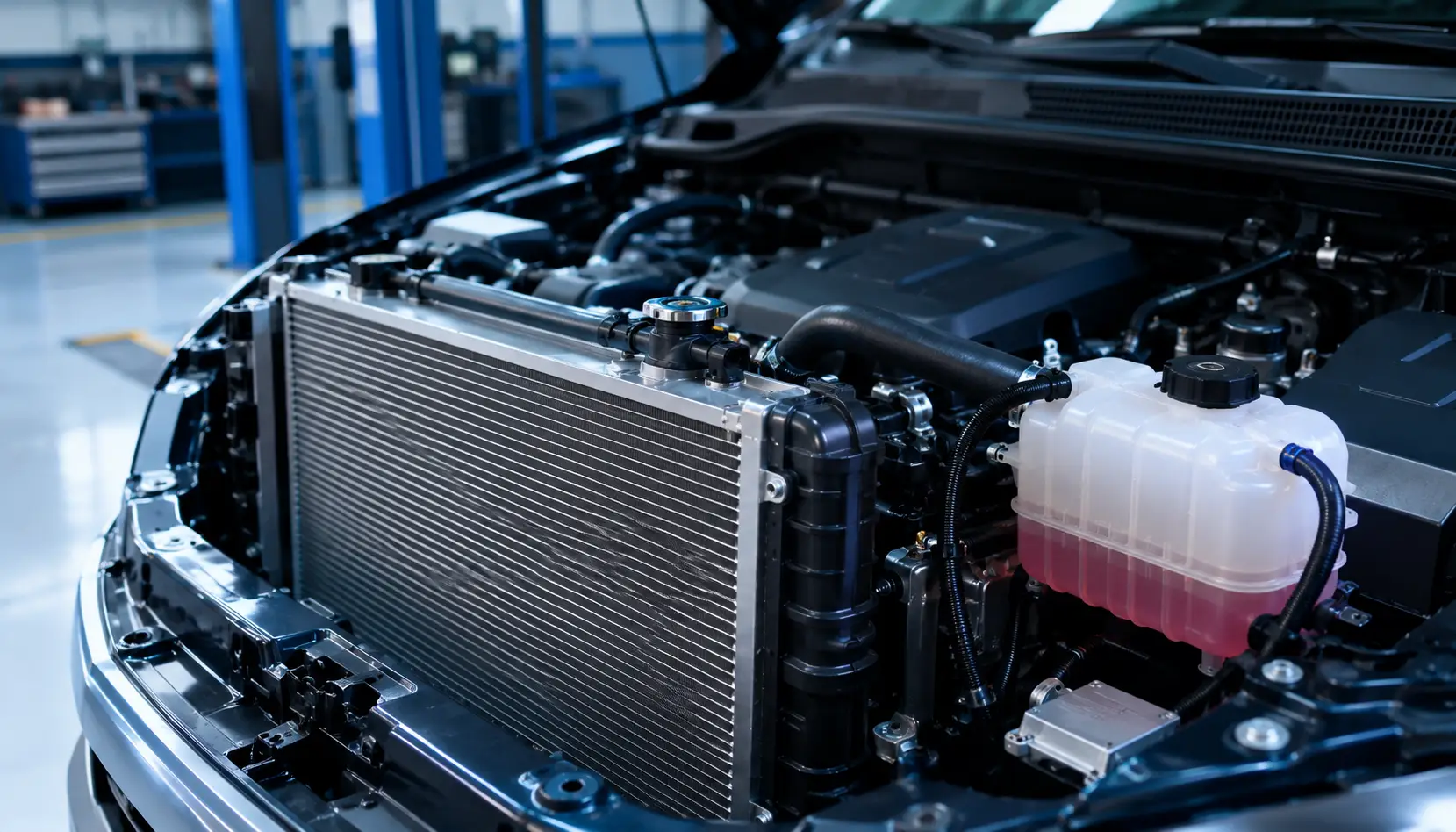
The water pump keeps your engine cool by circulating coolant through the system. Around the 100,000-mile mark, seals and bearings inside the water pump start wearing out, leading to coolant leaks or overheating.
If you’re replacing the timing belt, it’s a good idea to change the water pump simultaneously, as both components are often located in the same area of the engine. This saves labor costs and ensures your cooling system remains reliable for the next 100,000 miles.
The serpentine belt powers multiple engine accessories like the alternator, air conditioning compressor, and power steering pump. Over time, it can crack, fray, or lose tension. If this belt fails, your car could lose power steering or overheat.
Inspect your serpentine belt regularly for visible wear. Replacing it around every 60,000 to 100,000 miles can prevent unexpected breakdowns and keep your vehicle running smoothly.
Engine mounts hold your engine securely in place while reducing vibrations. After years of exposure to heat and constant motion, these mounts can crack or deteriorate.
Worn-out engine mounts often cause excessive vibration, knocking noises, or misalignment. Replacing them can drastically improve ride comfort and prevent further damage to the drivetrain.
Fuel injectors are responsible for delivering the correct amount of fuel to the combustion chamber. Over time, they can get clogged due to fuel impurities or carbon buildup.
Clogged injectors can cause poor fuel economy, engine misfires, or rough idling. You can clean them using injector cleaners, but after 100,000 miles, replacing them might be necessary for optimal performance.
Oxygen sensors (O2 sensors) monitor the air-fuel ratio and help maintain engine efficiency. These sensors wear out with use and contamination, often failing after 80,000 to 100,000 miles.
A bad O2 sensor can lead to poor fuel efficiency, increased emissions, and even engine performance issues. Replacing them ensures your engine maintains the right balance of fuel and air for clean combustion.
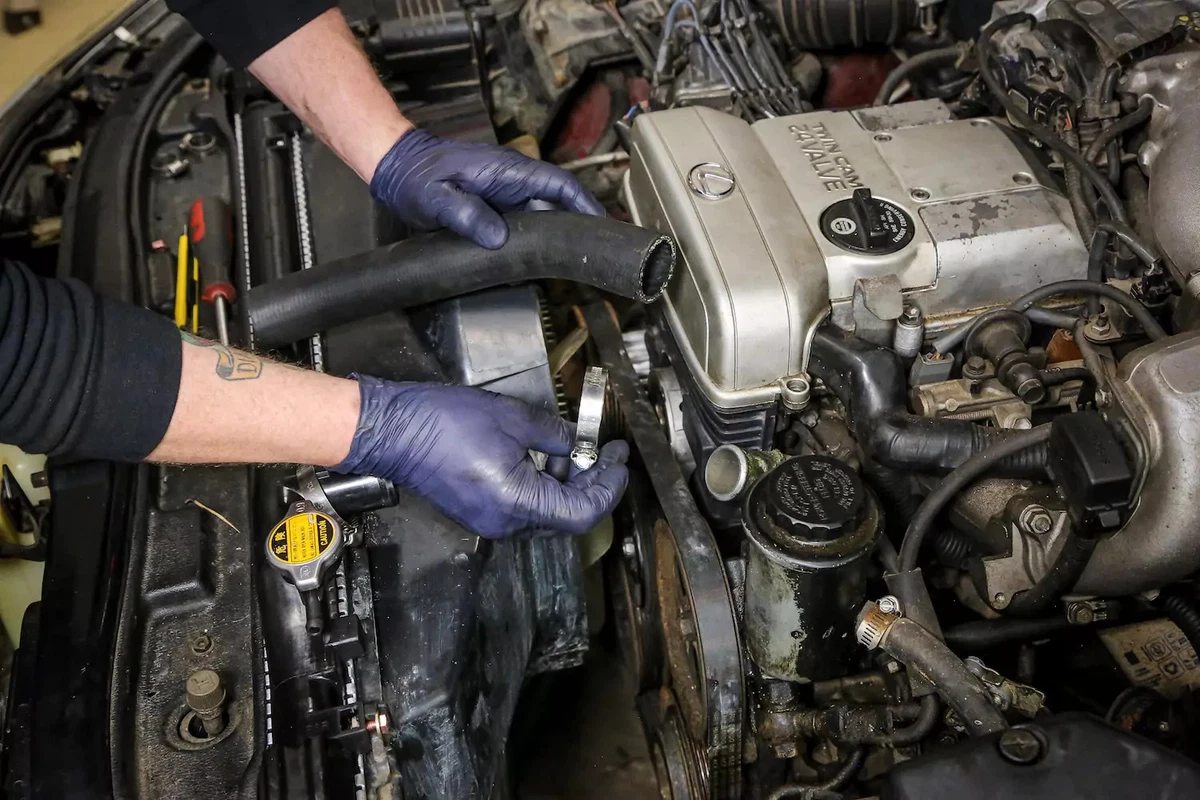
Your cooling system works hard to keep the engine temperature in check. Radiator hoses carry coolant to and from the engine, but after 100,000 miles, rubber hoses can become brittle, crack, or leak.
Inspecting hoses for softness, bulging, or leaks and replacing them on time can prevent overheating - one of the most common causes of engine failure.
The alternator charges your car’s battery and powers electrical components. After 100,000 miles, internal bearings and brushes may wear out. Warning signs include dim headlights, a weak battery, or dashboard warning lights.
Replacing the alternator ensures consistent power supply to all electrical systems, from your infotainment to your headlights.
The PCV valve controls gases that escape from the engine’s cylinders and prevents pressure buildup. When it gets clogged, it can lead to oil leaks or sludge buildup in the engine.
Replacing this small, inexpensive component can prevent costly engine damage and keep the air-fuel mixture balanced.
Over time, engine gaskets - especially the valve cover gasket, head gasket, and oil pan gasket - can wear out and cause oil leaks. Gasket failure leads to reduced engine efficiency and potential overheating.
The catalytic converter reduces harmful emissions from your exhaust system. It can get clogged due to oil leaks, poor fuel quality, or malfunctioning sensors. After 100,000 miles, it’s not uncommon for it to lose efficiency.
If your vehicle fails an emissions test or has reduced performance, the catalytic converter might need replacement.
While not an engine part itself, transmission health directly affects engine performance. Over time, the transmission fluid breaks down and collects debris. Changing the fluid and filter after 100,000 miles ensures smooth shifting and prevents transmission wear.
Your car’s battery and terminals degrade over time. Even if the alternator is working fine, an old battery can cause starting problems and electrical faults. Replacing the battery around this mileage keeps your car reliable and responsive.
The exhaust system can corrode over time, especially in humid or salty environments. Mufflers, pipes, and joints may rust or develop leaks. Replacing these parts ensures optimal performance and reduces noise.
Reaching 100,000 miles doesn’t mean your car’s journey is over - it’s just a new chapter. With regular maintenance and timely replacement of worn-out components, your vehicle can easily last another 100,000 miles or more. Pay attention to symptoms like unusual noises, vibrations, or performance dips. Acting early saves you money and helps your car perform like new again.
Most modern spark plugs last between 80,000 and 100,000 miles, but its best to follow your vehicle manufacturers recommendation.
If you hear ticking noises from the engine or experience misfires, it could be time to inspect your timing belt.
No, a malfunctioning water pump can cause overheating and serious engine damage. Replace it immediately.
If you are comfortable with basic tools, yes. But if the belt powers critical systems, its safer to have a professional do it.
Typically, the engine or head gasket is the most expensive due to labor costs and part complexity.