Modern vehicles are far more than machines powered by fuel - they are complex electronic systems engineered for safety, performance, and convenience. As automotive technology evolves, electrical components play an increasingly vital role in enhancing both functionality and driving experience. Whether you’re upgrading your existing vehicle or customizing a new one, knowing which electrical components matter most can make all the difference.
This comprehensive guide explores the must-have electrical components that bring your vehicle up to modern standards, improve reliability, and enhance your overall driving comfort.
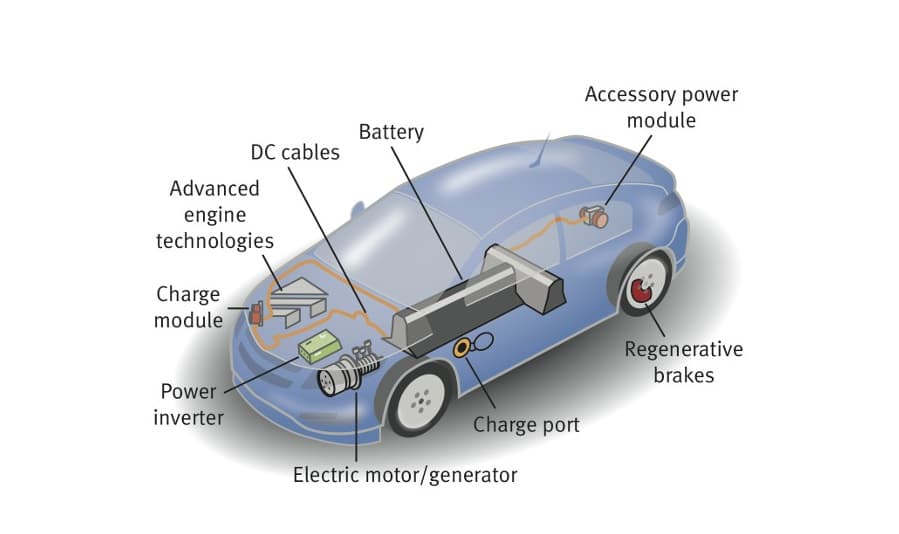
At the heart of every vehicle’s electrical system lies the battery. A high-quality battery ensures consistent power for ignition, lighting, infotainment, and other essential systems. Traditional lead-acid batteries are slowly being replaced by Absorbent Glass Mat (AGM) and Lithium-ion batteries, which offer greater longevity and efficiency.
Why It Matters:
Modern vehicles require more electrical power than ever - especially with smart infotainment systems, heated seats, and adaptive lighting. Investing in a premium battery guarantees consistent voltage and reliable starts, even in harsh weather.
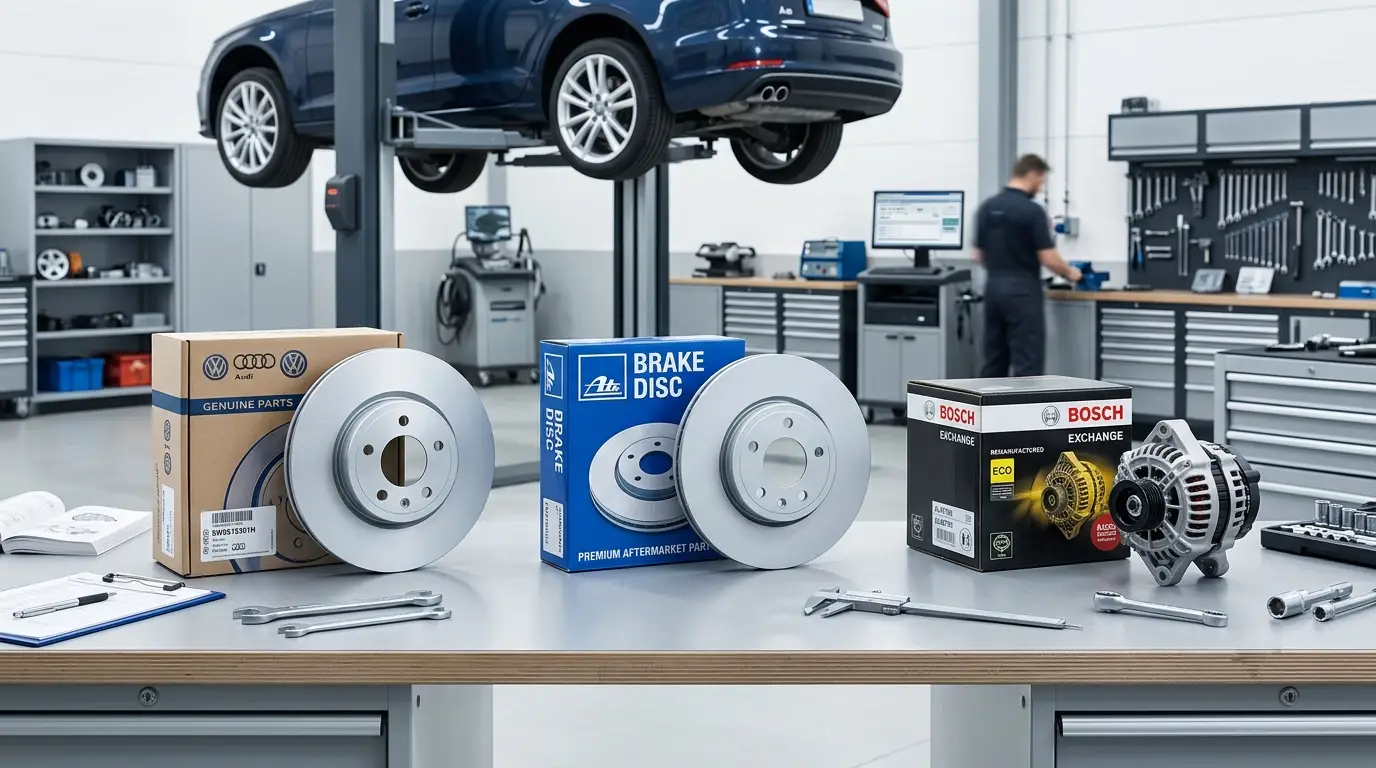
Pair your battery with a robust alternator and voltage regulator. These components ensure your battery remains charged and prevent electrical overload. A high-output alternator is a must-have if you’re running multiple accessories like LED bars or upgraded sound systems.
Upgrade Tip:
If you frequently use high-powered devices or drive long distances, consider a dual-battery setup with an intelligent isolator. This prevents one battery from draining the other and ensures stable power distribution.
Lighting isn’t just about visibility - it’s also about safety and style. Modern upgrades like LED and HID lights offer brighter illumination, better energy efficiency, and longer lifespans compared to traditional halogen bulbs.
Essential Lighting Upgrades Include:
1. LED Headlights: Offer superior brightness and low energy consumption. Daytime Running Lights (DRLs): Increase your vehicle’s visibility during the day.
2. Adaptive Headlights: Adjust direction and intensity based on steering and road conditions.
3. LED Taillights and Turn Signals: Improve response time and visibility for other drivers.
Why It Matters:
Enhanced lighting not only improves night driving but also gives your vehicle a modern, premium look.
Upgrade Tip:
Always ensure your upgraded lighting complies with local traffic regulations to avoid fines or inspection issues.
The Electronic Control Unit (ECU) is the brain of your vehicle. It monitors and controls critical functions like engine timing, fuel injection, and emissions. Upgrading or reprogramming your ECU can unlock better fuel efficiency and performance.
Why It Matters:
An advanced ECU or performance chip optimizes your engine’s power output without compromising reliability. Modern ECUs can even adjust in real-time for different driving conditions - whether you’re on the highway or off-road.
Upgrade Tip:
If you’re upgrading your ECU, ensure compatibility with your vehicle’s make and model. Reputable tuners can customize the settings to match your performance goals.
A modern infotainment system has become a centerpiece of vehicle comfort and convenience. It connects entertainment, communication, and navigation features into one intuitive interface.
Must-Have Features Include:
1. Touchscreen Display: For easy control of music, calls, and settings.
2. GPS Navigation: Provides real-time traffic and route updates.
3. Bluetooth & Wi-Fi Connectivity: For hands-free communication and media streaming.
4. Android Auto / Apple Car-Play: Seamlessly integrates your smartphone.
5. Rear-view Camera Integration: Enhances parking safety.
Why It Matters:
Upgrading to a modern infotainment system enhances driving pleasure, reduces distractions, and keeps you connected while on the road.
Upgrade Tip:
Choose a system that fits your vehicle’s dashboard and electrical capacity. Consider professional installation to ensure optimal functionality and integration with other vehicle systems.
A vehicle’s electrical system is only as reliable as its wiring. Over time, old wiring harnesses can corrode, fray, or lose insulation, causing voltage drops and short circuits.
Why It Matters:
Upgraded wiring harnesses with high-quality connectors ensure better power distribution and reliability. Adding relays helps protect sensitive electronics by controlling high-current devices like lights or fans safely.
Upgrade Tip:
Use tinned copper wires and waterproof connectors to resist corrosion, especially if you live in a humid or coastal area. Proper cable management and fuse protection are essential to prevent electrical fires.
Safety is non-negotiable in modern vehicles. Sensors and electronic safety modules provide real-time data that keeps drivers and passengers secure.
Key Safety Sensors Include:
1. Tire Pressure Monitoring System (TPMS): Alerts you when tire pressure is too low.
2. Parking Sensors: Detect obstacles and assist with safe parking.
3. Blind Spot Detection (BSD): Warns you of nearby vehicles in your blind zone.
4. Lane Departure Warning (LDW): Alerts you when unintentionally drifting out of your lane.
5. Backup and Collision Sensors: Reduce the risk of rear-end accidents.
Why It Matters:
Integrating modern sensors significantly improves road awareness and reduces accident risks.
Upgrade Tip:
Choose OEM-grade sensors for accuracy and reliability. Always calibrate sensors properly after installation.
Dash cameras have become essential for modern drivers. They provide video evidence in case of accidents, protect against insurance fraud, and capture scenic drives.
Must-Have Features:
1. Dual-channel Recording: Captures front and rear footage.
2. Night Vision and Motion Detection: Ensures clear recording even in low light.
3. GPS Tracking: Logs your route and speed.
4. Cloud Storage or Wi-Fi Upload: Saves footage automatically.
Why It Matters:
In addition, vehicle monitoring systems can track performance metrics, battery health, and even engine diagnostics through OBD-II ports.
Upgrade Tip:
Opt for a dash cam with loop recording and G-sensor technology that locks footage automatically during collisions.
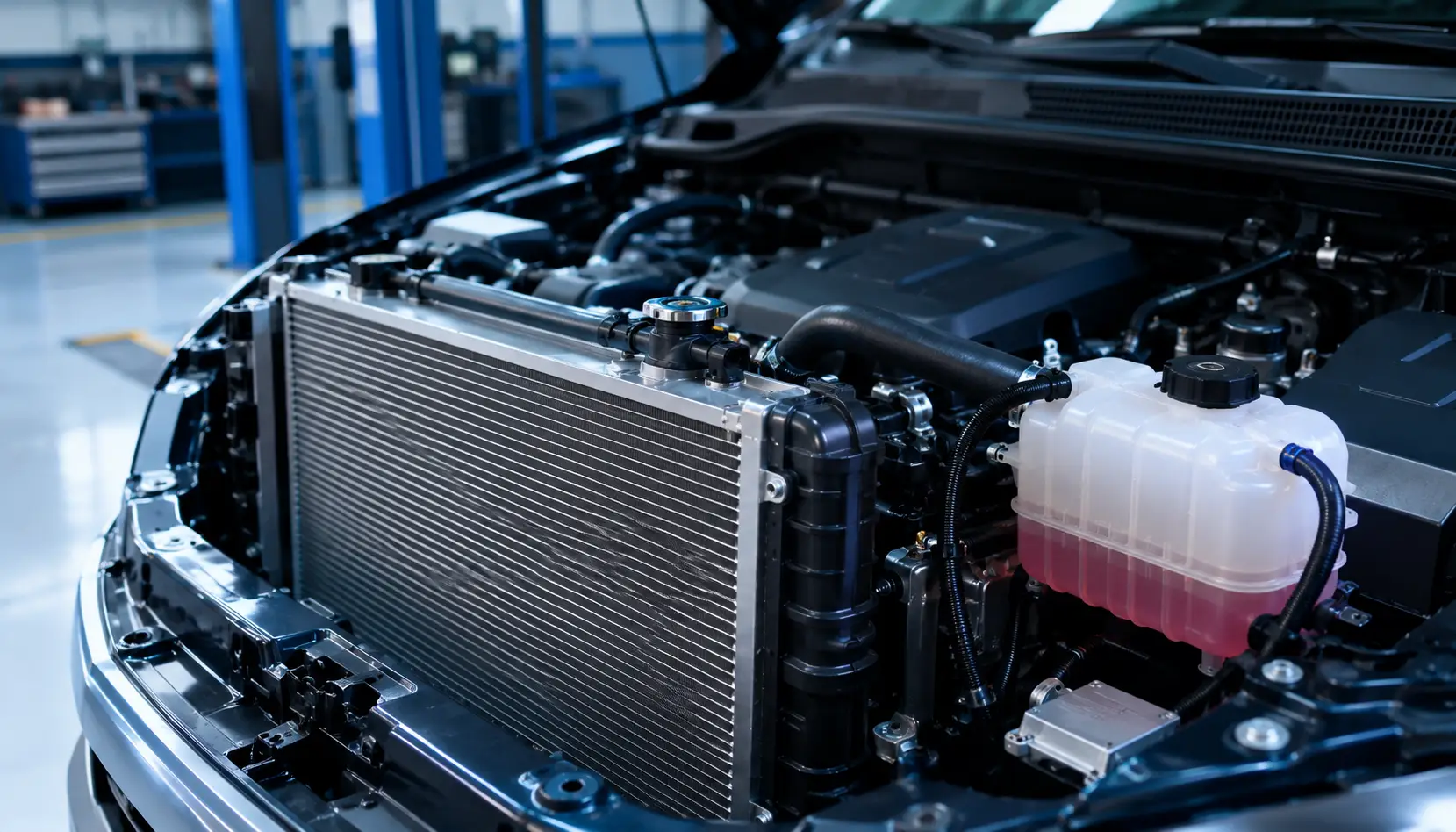
Modern car engines run hotter due to tighter emission standards and compact designs. Electric cooling fans and thermal management modules ensure optimal engine temperature and prevent overheating.
Why It Matters:
Replacing mechanical fans with electric ones improves engine efficiency and reduces drag. Temperature sensors and fan control relays allow for precise cooling when needed, improving both performance and fuel economy.
Upgrade Tip:
Choose fans with adjustable thermostats and ensure they match your vehicle’s cooling capacity.
Vehicle security has evolved from traditional locks to advanced keyless entry and immobilizer systems. These prevent unauthorized access and theft through encrypted communication between your key fob and the vehicle.
Why It Matters:
Upgrading to a modern keyless system enhances both convenience and protection. Many systems now include remote start, GPS tracking, and smartphone control.
Upgrade Tip:
Always choose systems from trusted brands to avoid security vulnerabilities. Professional installation ensures correct wiring and pairing.
Upgrading your vehicle with modern electrical components not only boosts performance but also enhances safety, convenience, and style. From smarter lighting and sensors to advanced ECUs and infotainment, each upgrade transforms your vehicle into a more efficient and enjoyable machine.
Yes, but it’s important to upgrade the wiring and alternator first to handle increased electrical demand.
At least once a year or every 12,000 miles to detect corrosion, loose wires, or voltage fluctuations early.
Yes – efficient systems like LED lighting and electric fans can slightly improve fuel economy by reducing engine load.
Some upgrades, like lighting or dash cams, are DIY-friendly. However, ECU tuning and sensor installations should be handled by professionals.
LED lighting and an upgraded infotainment system offer noticeable improvements without heavy costs.