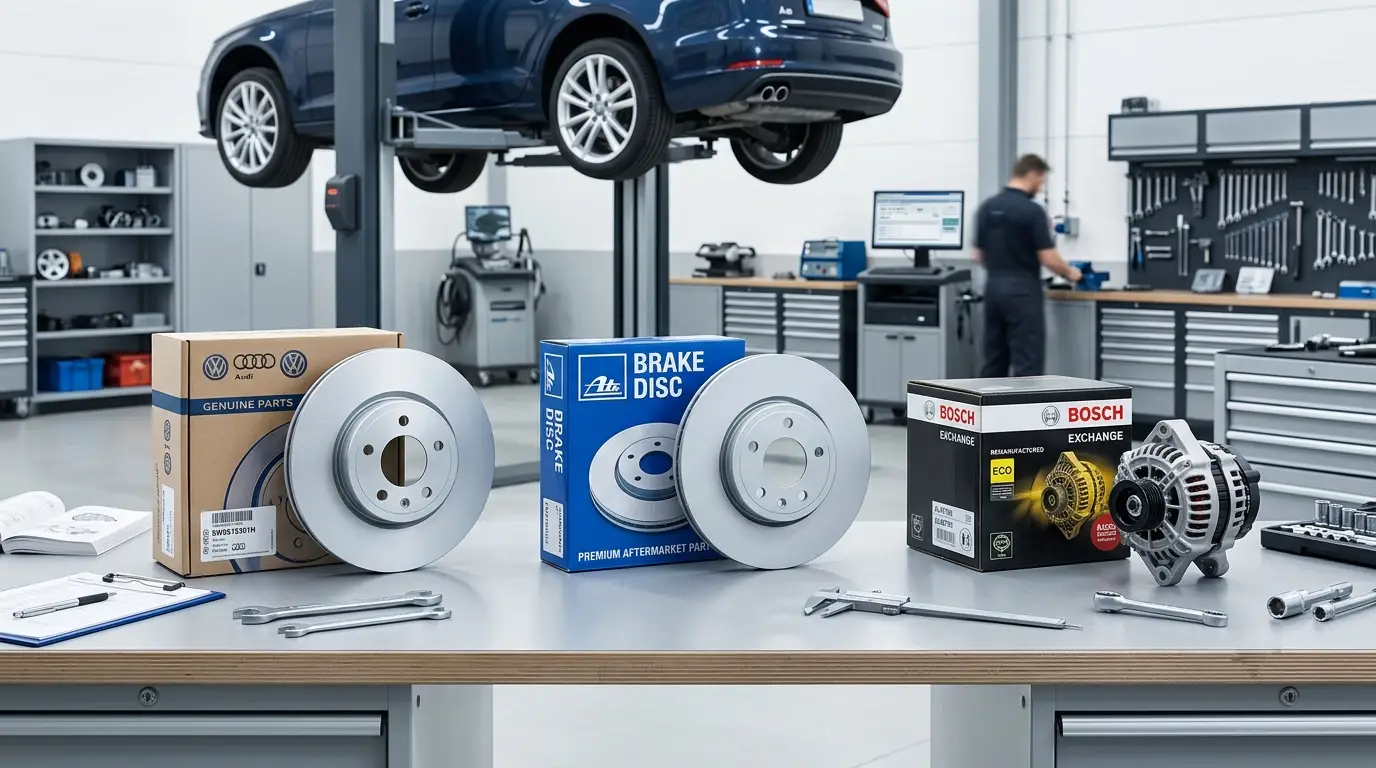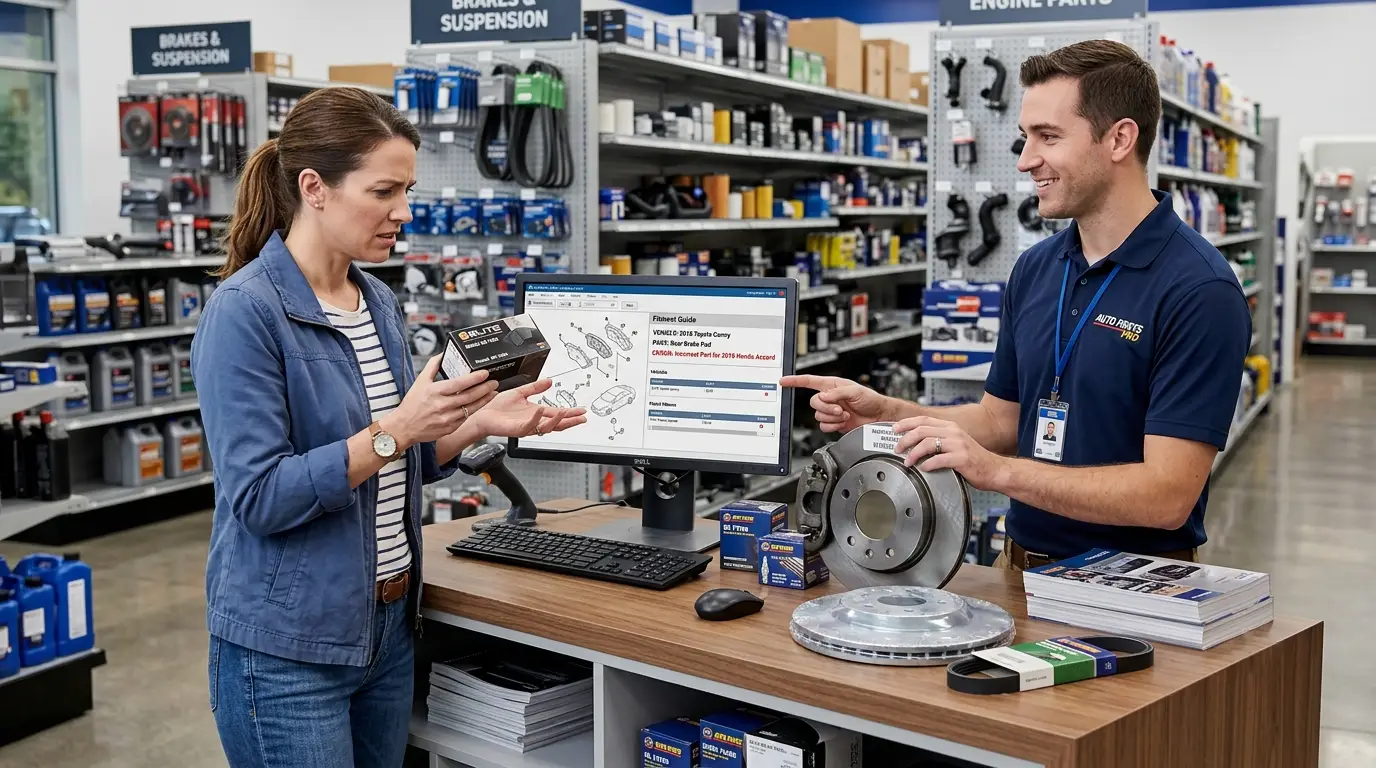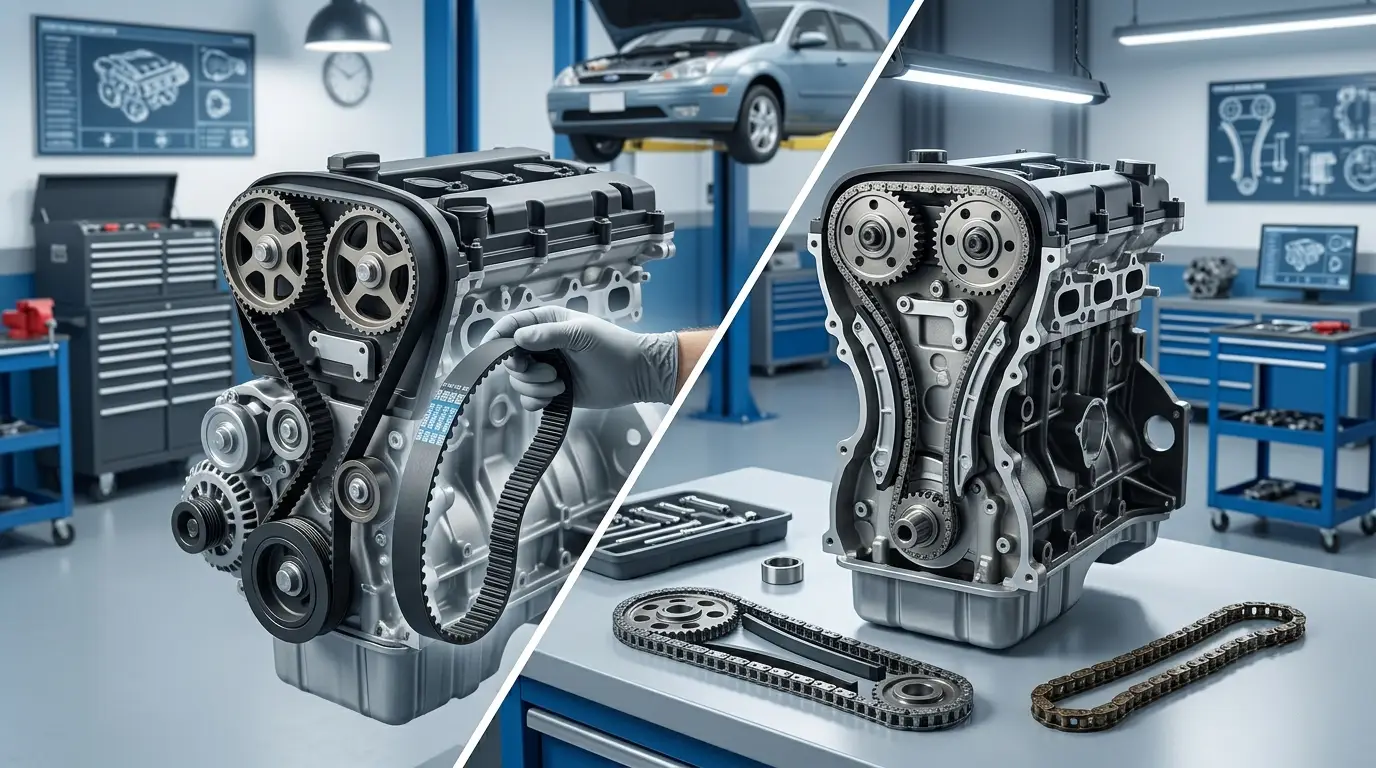
When it comes to repairing or upgrading your vehicle, one of the biggest challenges car owners face is finding the right parts. Ordering the wrong auto part not only wastes time and money but can also leave your vehicle sitting idle longer than necessary. Fortunately, there’s a tool that makes this process much simpler: your Vehicle Identification Number (VIN).
Your VIN is more than just a string of random characters stamped on your car - it’s a unique code that can unlock detailed information about your vehicle’s history, manufacturer, and specifications. By learning how to use your VIN properly, you can ensure that the parts you purchase will fit your vehicle perfectly.
In this blog, we’ll dive into what a VIN is, how to decode it, and how it can help you identify the exact auto parts you need.
The Vehicle Identification Number (VIN) is a 17-character alphanumeric code assigned to every vehicle manufactured after 1981. Each character in the VIN has a specific meaning and provides valuable details about the vehicle, such as:
Your VIN acts like your car’s fingerprint - unique to that vehicle only.
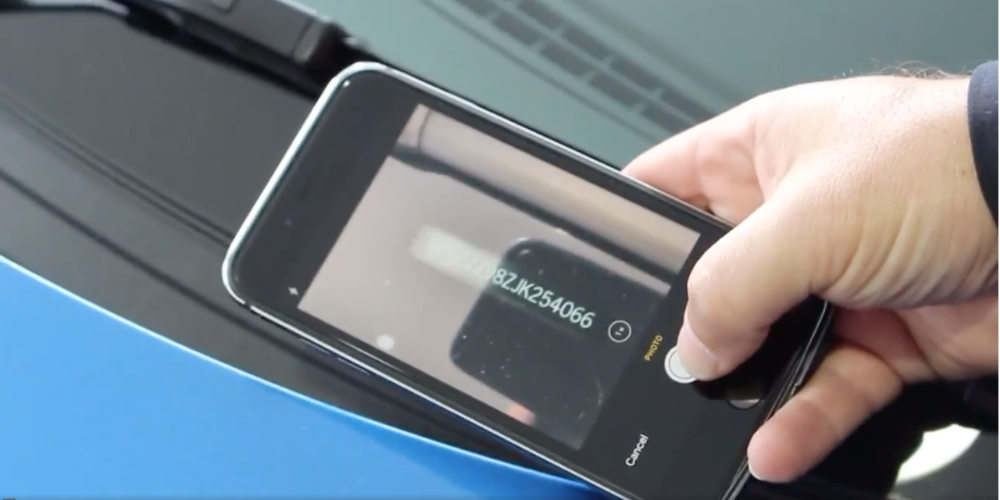
Before you can use your VIN to identify parts, you need to know where to locate it. The VIN can usually be found in several places on your vehicle and its paperwork:
Having this number handy is essential when shopping for auto parts, especially online.
When ordering parts, vehicle descriptions like “Toyota Corolla” or “Ford F-150” aren’t always enough. Variations in trim levels, production years, or even regional builds can mean significant differences in the parts your car needs.
Here’s why the VIN is so important:
Uncovers hidden details: Provides specifications that may not be obvious, like engine size or transmission type.
There are plenty of free VIN decoder tools available online. Simply enter your VIN, and the tool will provide details about your vehicle.
Many auto parts suppliers and retailers have databases linked to VIN information. By entering your VIN, the system automatically matches available parts with your vehicle’s specifications.
Even when using a VIN, it’s wise to double-check product descriptions, images, and compatibility notes before purchasing.
Once confirmed, you can place your order knowing that the part will fit properly.
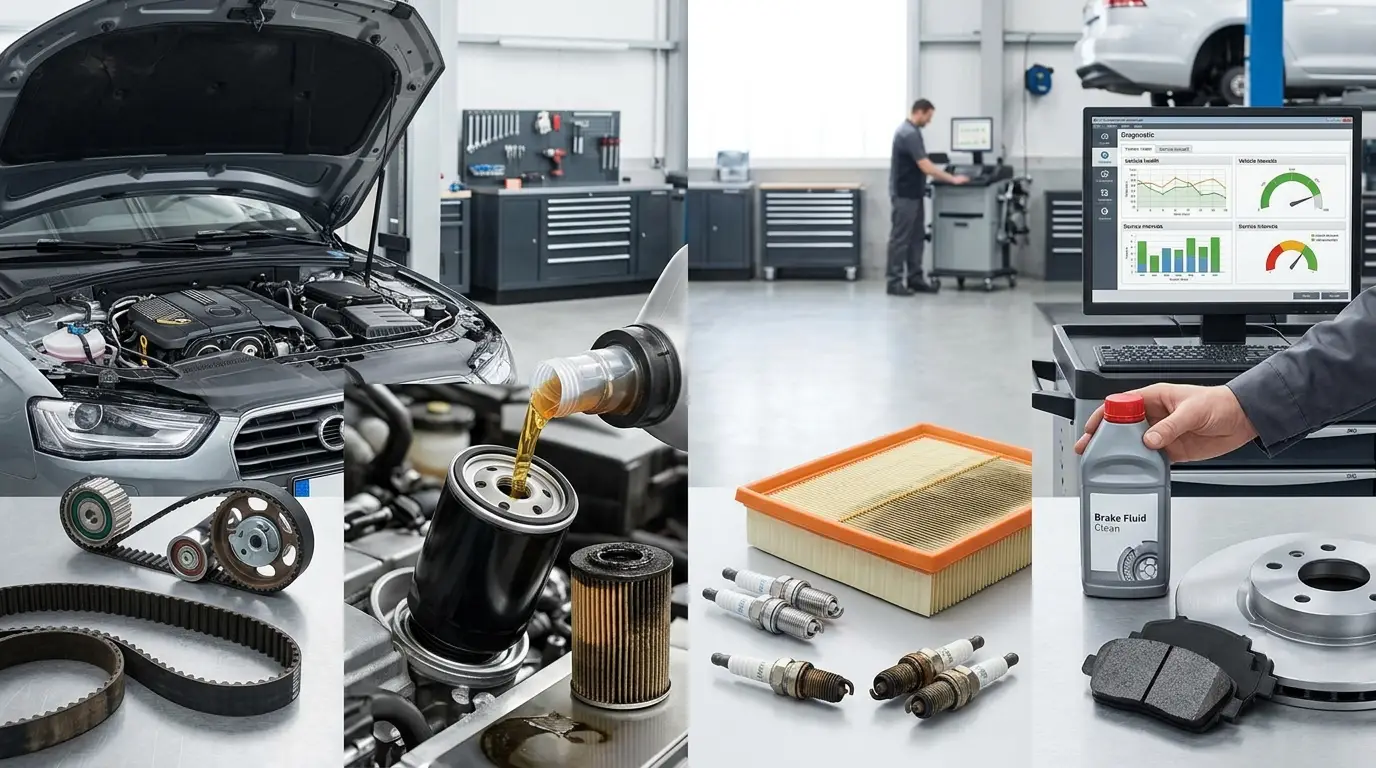
Basically, almost every part of your car can be identified using your VIN.
1. Always double-check the VIN on your registration or insurance card against the one on your vehicle to avoid transcription errors.
2. If you’re using an online retailer, look for websites that have VIN-specific search options.
3. Ask suppliers if their inventory is cross-referenced with VIN databases. This can help you avoid generic “one-size-fits-all” listings.
4. Keep your VIN written down in your phone or wallet so you always have it handy.
In today’s digital world, online auto parts shopping has become the go-to choice for many car owners. VIN usage in these platforms is growing fast:
Auto retailers like Auto Vehicle Parts and major online stores integrate VIN decoders into their shopping process, making it easier than ever to get the right fit the first time.
As technology evolves, VIN-based parts identification will become even more advanced:
This will make finding parts faster, more precise, and hassle-free.
Your Vehicle Identification Number (VIN) is one of the most powerful tools for ensuring that the auto parts you buy are the right fit for your vehicle. By learning how to decode and use it effectively, you’ll save time, money, and frustration while keeping your car running smoothly.
The next time you’re shopping for a replacement part - whether it’s an engine component, a body panel, or an electrical system - remember to use your VIN as your guide. It’s the key to unlocking accurate, efficient, and stress-free car repairs.
Yes, most parts can be identified with your VIN, though some aftermarket accessories may require additional details.
Vehicles before 1981 may not have a 17-digit VIN, so you will need to rely on shorter serial numbers and manufacturer records.
Yes, its generally safe to share your VIN when shopping for parts. It does not reveal personal information - just vehicle details.
Many free VIN decoders are available online. Some premium services may offer more detailed reports.
Mistakes are rare but possible. Always confirm compatibility with the supplier before finalizing your purchase.